If you’re managing a warehouse, whether it’s a high-volume distribution centre, a logistics hub, or a manufacturing supply site, you already know the pace is relentless. Forklifts move loads, vehicles reverse, stacks of inventory shift, and people walk tight aisles –all at once.
What you may not always see is how quickly the environment can turn from productive to perilous. In fact, across Australia the transport, postal, and warehousing sector registers one of the highest fatality rates: it sits at 7.4 deaths per 100,000 workers. In 2022, in Victoria alone, 142 serious injury claims stemmed from forklift incidents, many involving pedestrians, poorly secured loads, or vehicles tipping over.
For warehouse managers, supervisors, safety officers, and facility operators, the challenges are clear: how do you move product faster without compromising safety, reducing downtime, and staying compliant with warehouse regulations while protecting your people? A major part of achieving this is having the right physical infrastructure in place, especially barrier systems that keep vehicles and equipment safely separated from workers and critical assets.
That’s why a well-executed warehouse safety audit is essential, and why evaluating and implementing warehouse guardrails requires a focused, actionable approach.

Key Takeaways
In this article, you’ll:- Understand why running a thorough warehouse safety audit is essential for keeping your operations safe, efficient, and compliant.
- Get a clear and practical guardrail installation checklist you can use to assess risks and plan guardrail placement with confidence.
- See how warehouse guardrails play a vital role in protecting people, equipment, and high-value assets across busy warehouse environments.
- Learn how warehouse guardrail compliance works under Australian industrial safety standards, and how to avoid common compliance issues.
- Discover how warehouse safety barrier systems can be applied across different zones to improve protection and traffic flow.
- And finally, you’ll see how Guard-R Group’s experience and product design make choosing and implementing the right guardrail solution a simpler, more informed process.
Why Warehouse Safety Audits Matter
When you manage a warehouse or distribution centre, incidents can happen far more often than expected. From collisions to falls, the risks are real. Safe Work Australia reports that around 42% of worker fatalities involve vehicle incidents. A regular warehouse safety audit helps you identify hazards before they cause harm. Physical infrastructure (especially correctly specified warehouse guardrails) acts as a frontline defence, protecting people and critical assets while preventing lost productivity. And meeting industrial safety standards isn’t optional: failure to comply exposes your business to liability, regulatory penalties, and costly downtime.Common Safety Risks in Warehouses
Understanding common warehouse hazards is key before installing warehouse guardrails. From vehicle collisions to falls and equipment impact, these risks require targeted protection to keep people and assets safe.- Vehicle collisions with pedestrians or racking systems Warehouses are busy, crowded spaces where forklifts, pallet jacks, and delivery vehicles share floors with people and racks. Blind spots and narrow aisles increase collision risks. Clearly defined pedestrian walkways protected by warehouse guardrails separate traffic and improve safety.
- Forklift and equipment impact Forklifts carrying heavy loads reduce visibility and increase the risk of injury or damage. Purpose-built warehouse safety barriers absorb impact, deflect force, and minimise harm in high-traffic forklift zones.
- Unprotected mezzanines, loading docks, and corners Elevated platforms, loading docks, and blind corners pose fall and collision hazards. Installing warehouse guardrails at edges, transitional zones, and corners improves safety, visibility, and traffic control.
- High-traffic versus low-traffic zones High-traffic areas like main aisles or loading docks need heavy-duty guardrails, while low-traffic zones still require protection. A well-planned guardrail installation checklist ensures each zone gets the right level of barrier protection without disrupting operations.
Guardrails as a Critical Safety Measure
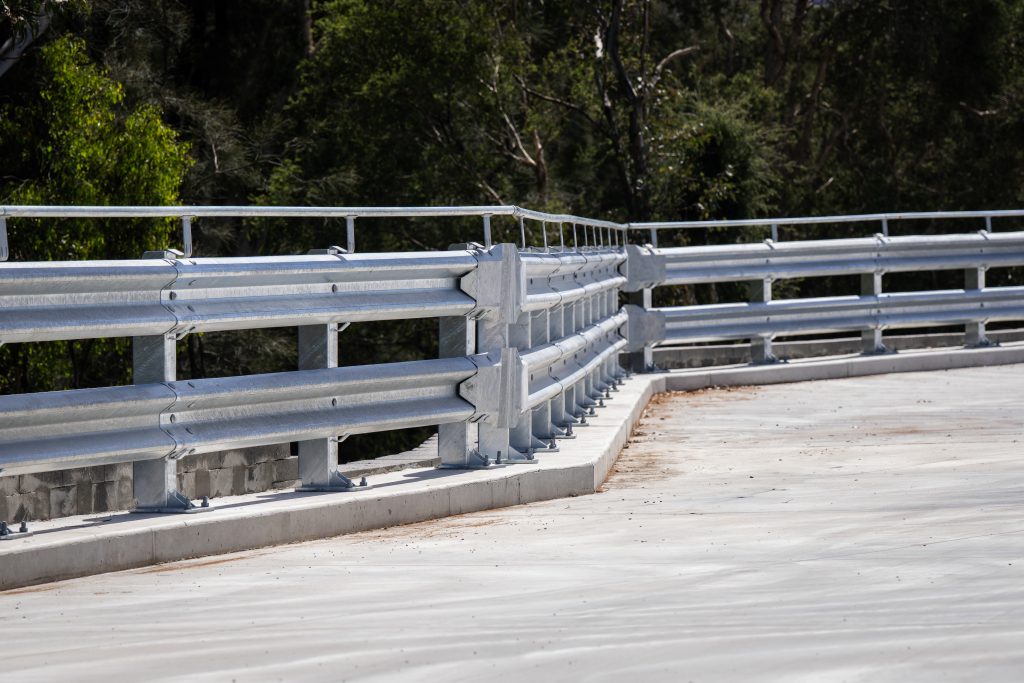
When it comes to warehouse risk mitigation, warehouse guardrails are far more than a nice-to-have; they are essential. They serve two key purposes: protecting personnel from vehicle or equipment impacts, and safeguarding assets such as racking, machinery, and building structures. In busy warehouses, even minor collisions can lead to expensive damage, injuries, or operational downtime, making effective barriers a practical necessity. Warehouse environments differ greatly from roads or public traffic areas, so guardrails must be specifically designed for industrial use. This includes accounting for forklift traffic, pallet jacks, high-density storage, and variable floor layouts. At Guard-R Group, our product lines are engineered with these unique conditions in mind, ensuring every warehouse guardrail is tested for impact resilience, modularity, and ease of installation—so your facility stays both safe and operationally efficient.The Warehouse Safety Audit Checklist for Guardrail Implementation
Here’s your step-by-step guardrail installation checklist, tailored to warehouse environments:- Identify high-risk areas Map out loading docks, vehicle routes, pedestrian walkways, mezzanines, and intersections where vehicle and pedestrian traffic meet.
- Evaluate compliance with Australian standards Check whether your barrier systems align with relevant standards (e.g., AS/NZS 1170) and whether they meet current warehouse guardrail compliance criteria.
- Assess current barrier systems for wear, damage, or inefficiency Carefully inspect existing guardrails or safety barriers for dents, rust, misalignment, or any temporary or unsafe fixes. This evaluation helps identify weak points that could fail during an impact and ensures all barriers continue to provide reliable protection for personnel and assets.
- Determine guardrail type depending on warehouse zone Select the appropriate guardrail type (modular, fixed, or flexible) based on the zone’s traffic levels, activity type, and safety needs. Consider factors like forklift routes, pedestrian areas, and equipment proximity to ensure each barrier provides effective protection without disrupting workflow.
- Plan for installation logistics Minimise downtime by coordinating installation during off-peak hours, ensuring easy replacement of components, and maintaining smooth operational flow.
- Document and review audit findings against compliance requirements Compile audit reports, tag non-conformities, assign remediation actions, and schedule follow-up to guarantee ongoing compliance.
GUARD-R: Simplifying Warehouse Compliance
Navigating Australian safety regulations can be complex, but the right warehouse guardrails and certified systems make it simpler. With Guard-R Group, you get products designed to meet industrial safety standards, reducing the risk of failed inspections and costly retrofits. Here’s how using compliant systems benefits your warehouse:- Certified for Safety: All products meet Australian regulations and are tested under real-world impact conditions.
- Simpler Audits: Using certified warehouse guardrails means fewer compliance headaches during inspections.
- Reduced Risk: Properly engineered barriers lower the chance of non-compliance penalties and operational disruptions.
- Reduced Rework: Installing compliant systems the first time avoids costly retrofits or modifications later.
- Faster Approvals: Facilities with certified guardrails often move through approvals more quickly for new builds or upgrades.
Why Choose Guard-R for Your Warehouse Guardrails
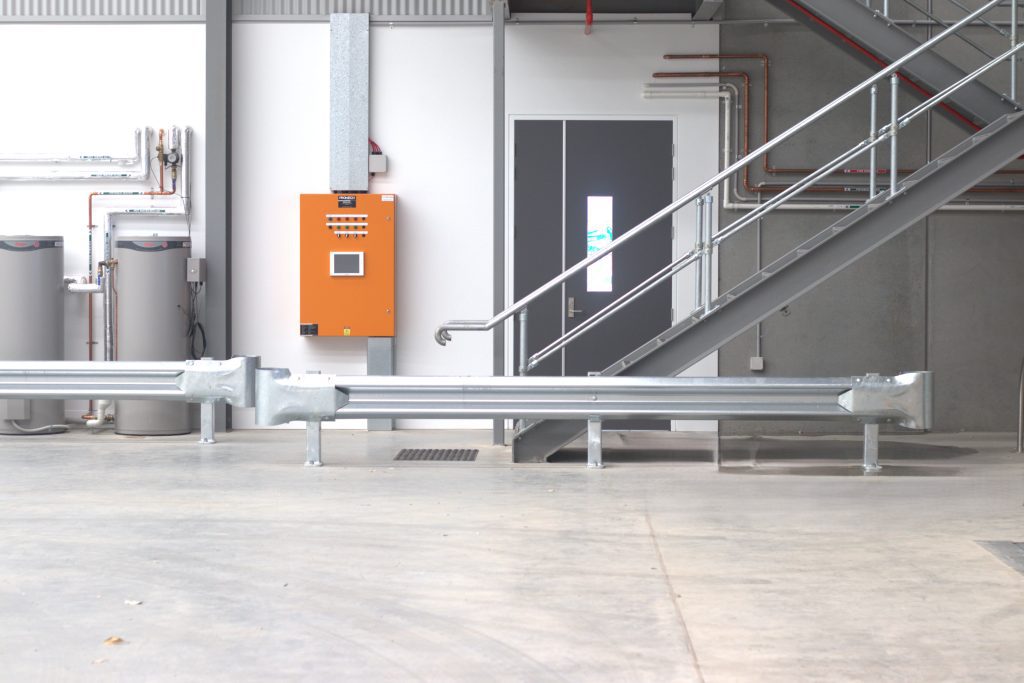
Guard-R’s guardrails are specifically designed for busy warehouse environments, handling high traffic, heavy loads, and multiple vehicle zones. Their solutions combine safety, durability, and ease of use to keep operations running smoothly.- Crash-Tested Reliability – Kwik-Guard® and other products are rigorously tested to absorb impact and protect both personnel and assets.
- Industrial-Grade Design – Systems are engineered for warehouses and logistics centres, not adapted from road applications.
- Quick Installation – Modular components and single-bolt designs allow faster installs with minimal operational disruption.
- Low Maintenance – Durable materials and easy-to-replace parts reduce long-term upkeep and downtime
Keeping DHL Safe: A Warehouse Guardrail Success Story
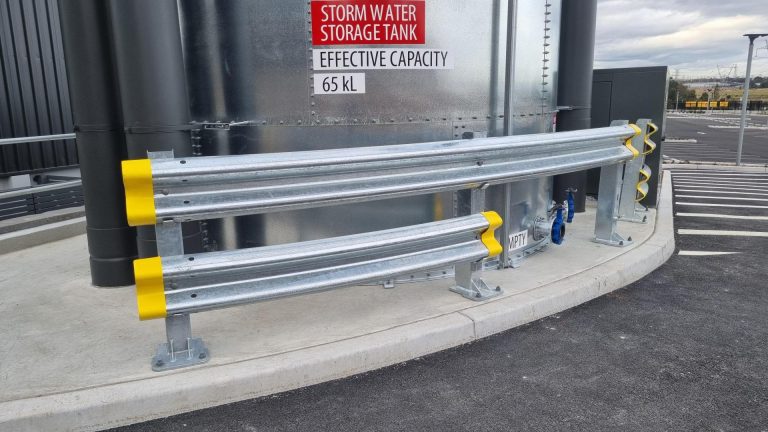
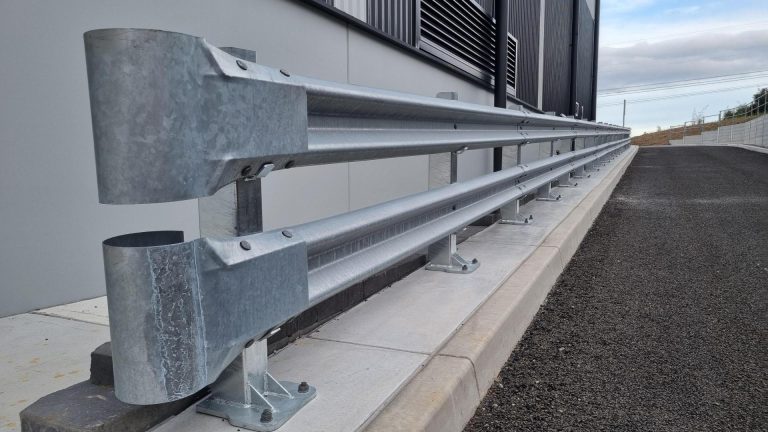
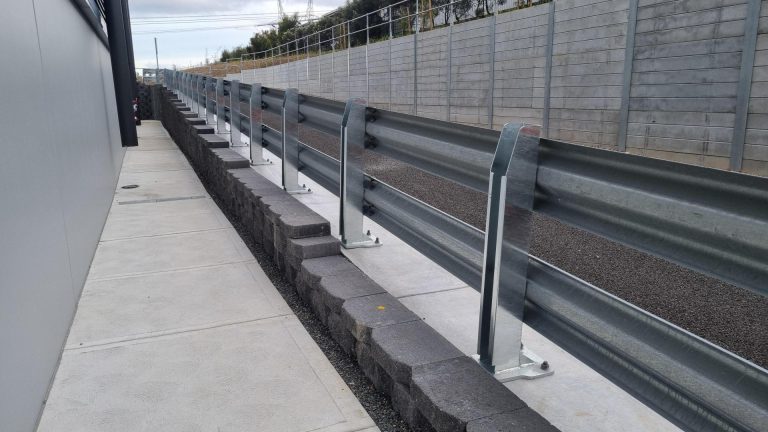
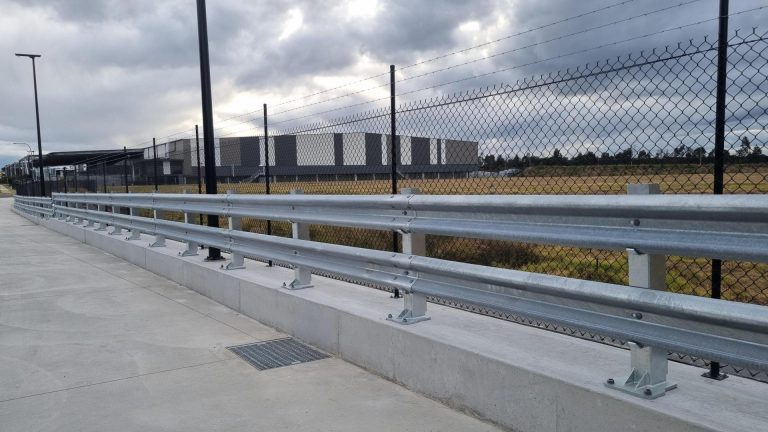
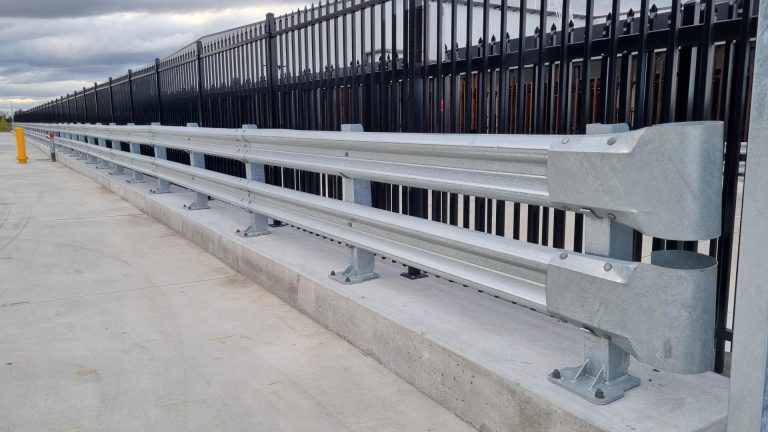
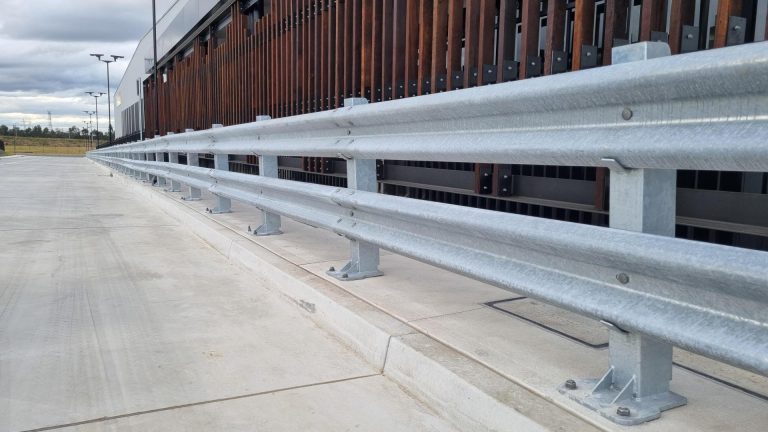
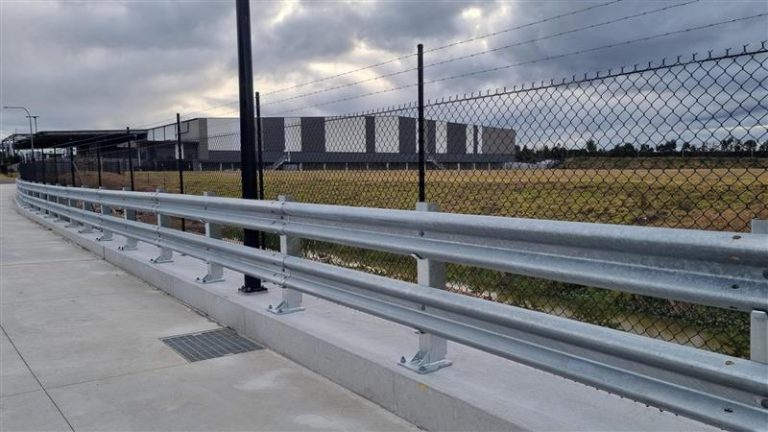
When DHL Supply Chain built their state-of-the-art distribution centre in Erskine Park, NSW, safety and operational efficiency were top priorities. With heavy vehicle traffic, busy loading docks, and constant warehouse activity, they needed a barrier system that could handle real-world warehouse demands.
The Challenge:
The facility’s truck loading zones, driveways, and high-traffic areas presented significant safety risks. Ensuring compliance with Australian industrial safety standards while protecting personnel and assets was essential for smooth, ongoing operations.
Guard-R’s Contribution:
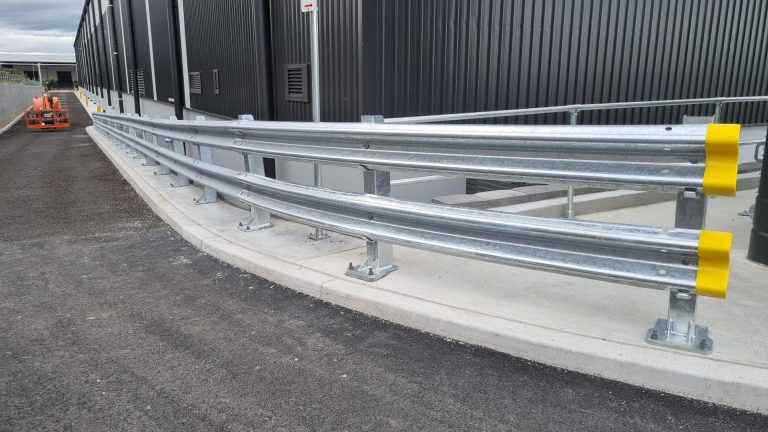
Guard-R Group supplied Kwik-Guard® Double Height Class 1 Crash Tested Guardrails, designed specifically for warehouse environments. Working closely with Safehub Wholesale and the project team, Guard-R ensured precise placement along vehicle paths and pedestrian zones. The modular, fast-install system minimized disruption and integrated seamlessly into the construction schedule.
Result:
With Kwik-Guard® installed, DHL now has a fully protected warehouse with warehouse guardrails that are crash-tested, AS/NZS compliant, and capable of handling high-impact zones. The solution keeps personnel safe, protects assets, and allows operations to run confidently and efficiently.
CONCLUSION: Audit First, Guardrail Always
Conducting a comprehensive warehouse safety audit is not just a box-ticking exercise; it’s a strategic move to protect your people, assets, and operations. Warehouse guardrails aren’t optional; they form a central part of your risk mitigation and compliance framework.
With Guard-R Group as your trusted partner, you get solutions built for warehouse environments, certified for Australian use, and backed by real-world performance.
Schedule a Safety Review: Protect Your People and Assets
Book a no-obligation consultation with the Guard-R team. We’ll assess your facility, identify high-risk areas, and show how purpose-built warehouse guardrails can improve safety, reduce downtime, and ensure compliance with Australian standards.
Want a step-by-step guide for your next audit?
Download our free “Warehouse Safety Audit & Guardrail Checklist to see exactly how to protect your people and assets.
FAQs
Q: What is the main purpose of a warehouse guardrail?
A: The main purpose of a warehouse guardrail is to provide a physical barrier that protects personnel, equipment, and property by separating vehicle and pedestrian traffic, and absorbing or deflecting impacts in high-risk areas.
Q: How often should warehouse safety audits be conducted?
A: Ideally, a full warehouse safety audit should be conducted annually, with targeted reviews after major changes to layout, equipment, or operations, and inspections of guardrails quarterly to check for damage.
Q: Are Guard-R’s guardrails compliant with Australian safety standards?
A: Yes. Guard-R’s product range is engineered to align with relevant Australian standards such as AS/NZS 1170 and designed specifically for warehouse and car-park barrier environments.
Q: Can guardrails be customised for different warehouse layouts?
A: Absolutely. Guard-R offers modular and fixed systems tailored to the unique layout and traffic demands of your warehouse, making sure that warehouse guardrail compliance is maintained without compromising operational flow.