
Pedestrian safety is a critical priority on Australian roads, particularly in high-risk environments such as arterial roads, school zones, transport interchanges, town centres, and mid-block crossings. One of the most effective engineering controls used by Transport for NSW (formerly RMS) to manage pedestrian risk is RMS-compliant pedestrian fencing.
Rather than relying on signage or behavioural compliance alone, pedestrian fencing physically prevents unsafe road crossings and channels pedestrians toward designated, controlled crossing points — significantly reducing the likelihood of serious injury or fatality.
NSW’s Towards Zero Road Safety plans report that road safety initiatives (including infrastructure treatments across the network) have saved over 1,400 lives since the Community Road Safety Fund started in 2013.
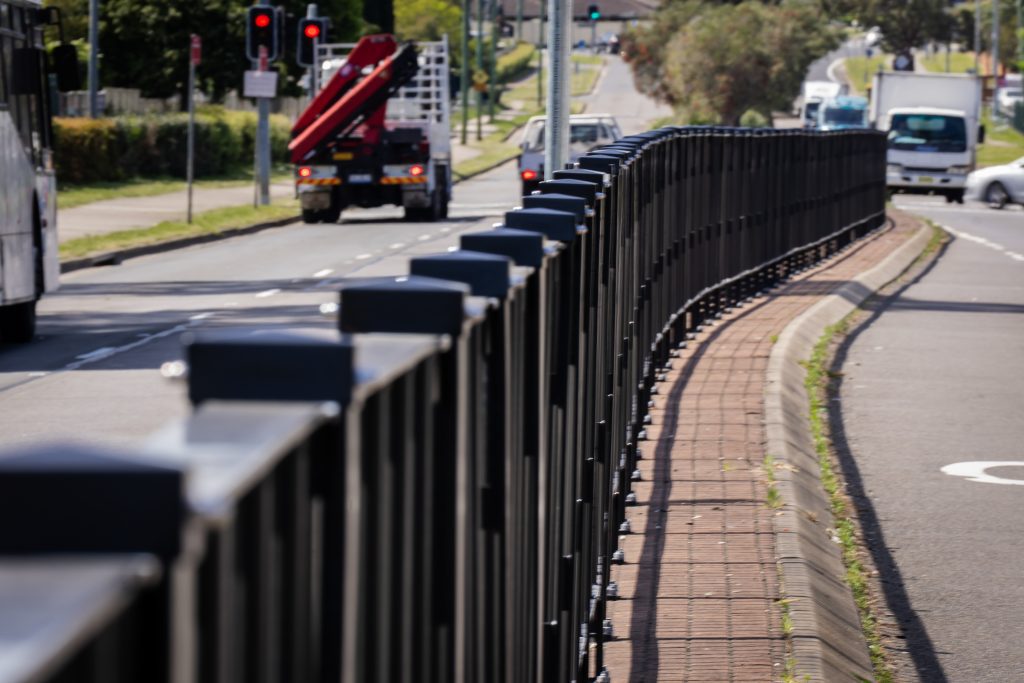
Does RMS Pedestrian Fencing Save Lives?
While Transport for NSW does not publish a single, standalone figure for “lives saved by pedestrian fencing”, multiple NSW Government studies and safety reviews confirm substantial reductions in pedestrian crashes where fencing is installed.
Key Safety Outcomes from NSW Case Studies
Up to 75% reduction in pedestrian crashes at high-risk sites following the installation of pedestrian fencing
Significant reductions in fatal and serious injury pedestrian incidents when fencing is used alongside crossings, refuges, and speed management
Improved compliance with safe crossing locations, particularly in school zones and near public transport hubs
In road safety engineering, crash reduction is the accepted proxy for lives saved. Fewer pedestrian crashes directly correlate with fewer fatalities and serious injuries.
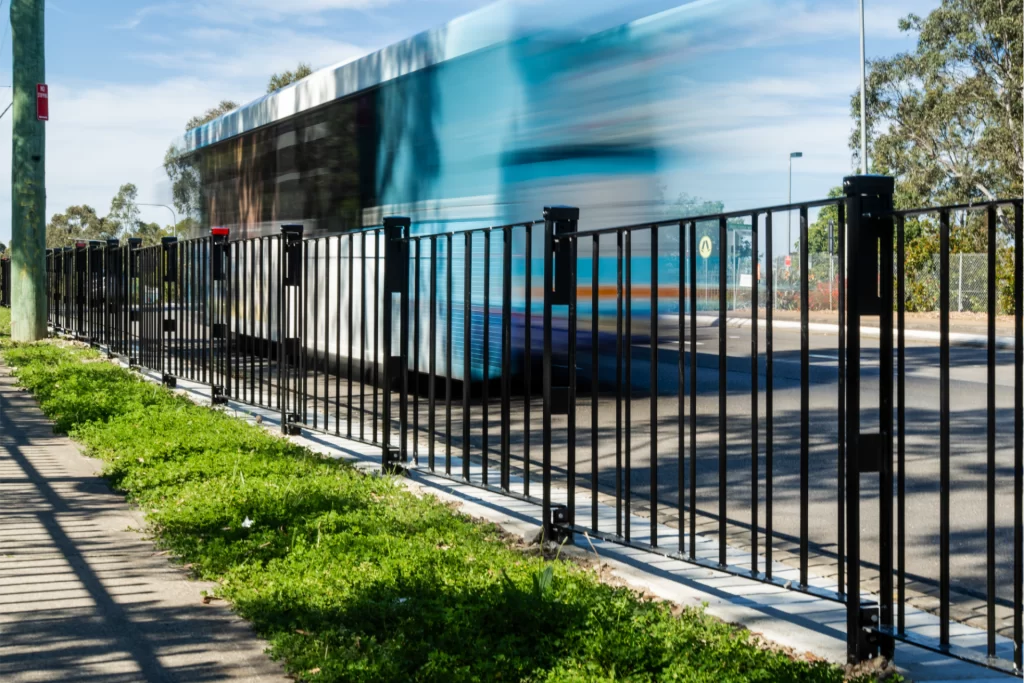
Why RMS / TfNSW Uses Pedestrian Fencing
RMS pedestrian fencing is not decorative — it is a deliberate safety intervention used where:
Pedestrians are attempting to cross multi-lane or high-speed roads
Sight distance is limited
Crossing demand is high but informal
There is a history of pedestrian incidents or near misses
Children, elderly pedestrians, or high foot-traffic volumes are present
Pedestrian Fencing Is Used To:
Prevent unsafe mid-block crossings
Funnel pedestrians to signalised crossings
Separate footpaths from live traffic lanes
Reduce pedestrian exposure time to vehicles
Support “Safe System” road design principles
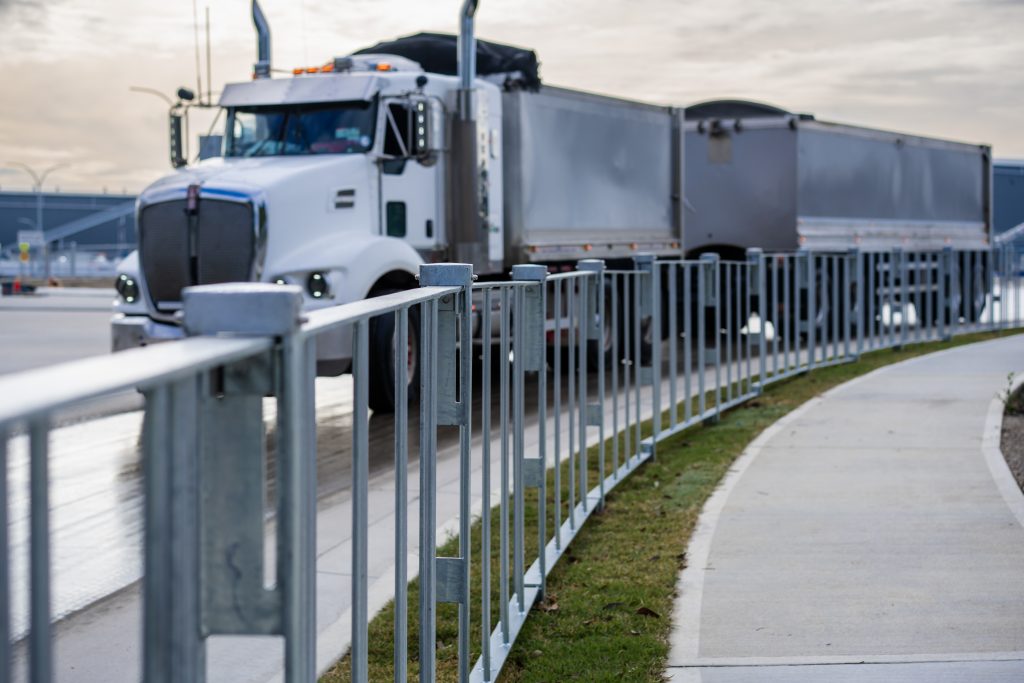
Pedestrian Fencing as Part of the Safe System Approach
Transport for NSW’s Safe System framework accepts that human error is inevitable and designs infrastructure to reduce the severity of outcomes when mistakes occur.
Pedestrian fencing supports this by:
Removing conflict points between vehicles and pedestrians
Physically enforcing safe behaviour rather than relying on compliance
Reducing pedestrian decision-making in complex traffic environments
This is why pedestrian fencing is frequently installed in combination with:
Signalised pedestrian crossings
Refuge islands and medians
Kerb extensions
Reduced speed environments
Improved lighting and visibility
RMS-Compliant Pedestrian Fencing by Guard-R Group
Guard-R supplies RMS / TfNSW-compliant pedestrian fencing systems designed for long-term durability, safety performance, and ease of installation.
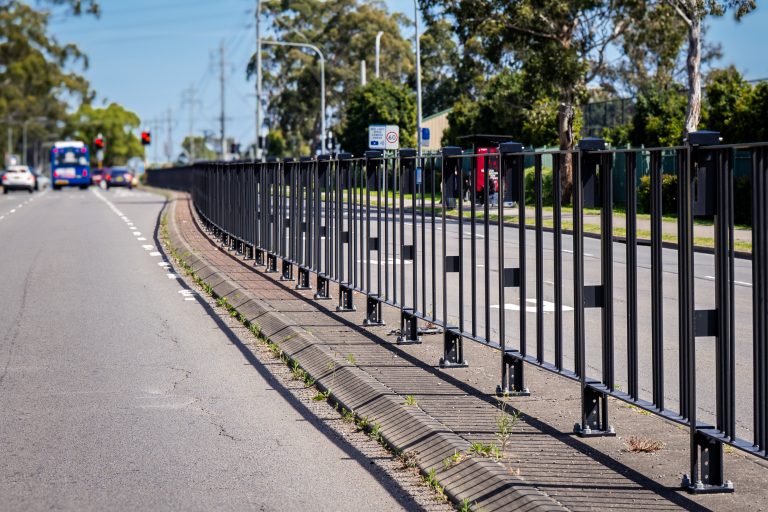
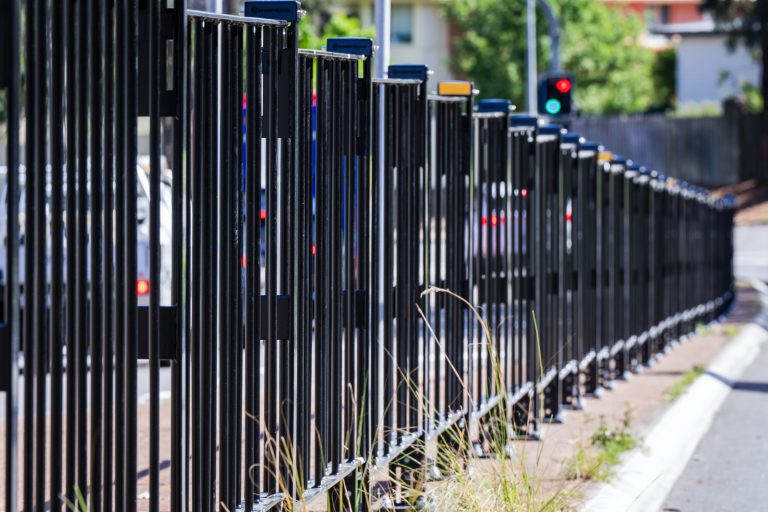
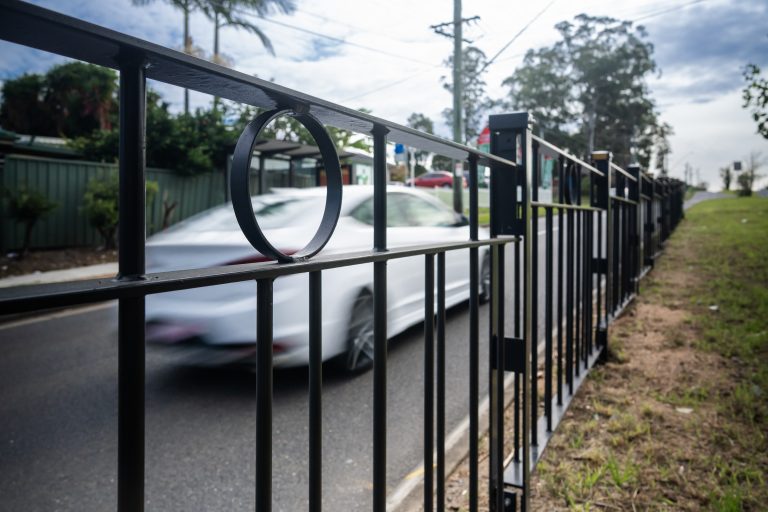
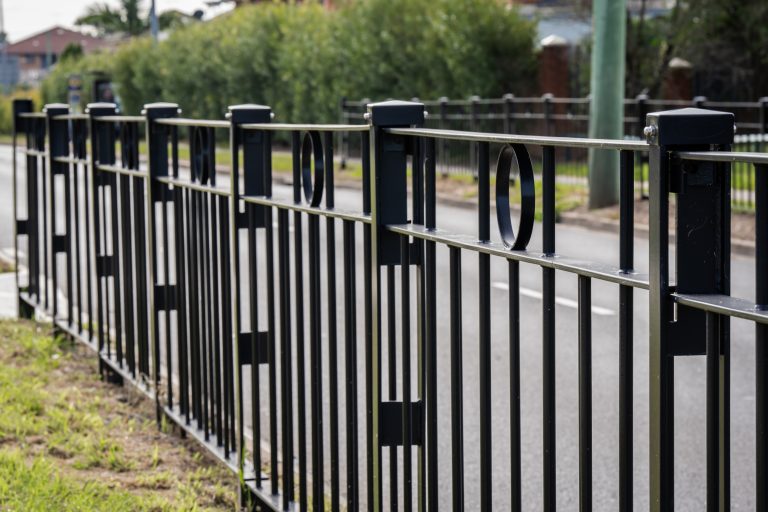
Our Pedestrian Fencing Solutions Are:
Fully compliant with RMS / TfNSW specifications
Engineered to control pedestrian movement effectively
Suitable for roads, schools, carparks, transport corridors, and public spaces
Manufactured for Australian conditions
Trusted by councils, builders, and infrastructure contractors Australia-wide
Where RMS Pedestrian Fencing Is Commonly Installed
School zones and education precincts
High-speed urban and regional roads
Public transport interchanges
Shopping centres and town centres
Hospitals and health precincts
Construction zones and temporary works
Carparks and internal road networks
Why Pedestrian Fencing Remains One of the Most Effective Controls
Unlike signage or road markings, pedestrian fencing cannot be ignored. It provides a permanent, passive safety solution that operates 24/7, regardless of weather, traffic conditions, or enforcement presence.
For this reason, RMS pedestrian fencing continues to be specified across NSW as a primary pedestrian safety measure where risk exposure is high.