
Across Australia, audit reports continue to highlight a persistent issue: pedestrian risk is often left insufficiently controlled, even in projects that meet technical design standards. For engineers, planners, and asset owners, this is becoming harder to justify.
The Austroads Strategic Review of Pedestrian Planning Guidance (2026) signals a clear shift. The conversation is moving beyond compliance and into accountability. It is no longer enough to demonstrate that a design follows standards. There is a growing expectation to show that foreseeable risks to pedestrians have been actively reduced through design decisions.
This is particularly relevant in environments where pedestrians and vehicles interact frequently. In these settings, relying on behavioural measures alone is increasingly viewed as inadequate. As a result, pedestrian fencing is being reconsidered not as a supplementary feature, but as a core safety control.
For those involved in road safety audits across Australia, this change is already influencing how designs are reviewed, challenged, and ultimately approved.
This article explores how evolving guidance is reshaping pedestrian safety expectations and why physical separation measures such as pedestrian fencing are becoming essential for achieving audit-defensible outcomes.
Moving Beyond Signage: What the Safe System Now Demands
The principles behind Safe System pedestrian safety are not new, but their application is becoming more rigorous. The emphasis is shifting toward designing environments where serious harm is unlikely, even when mistakes occur.
In practice, this means traditional approaches are under greater scrutiny. Measures such as signage, pavement markings, and assumed driver behaviour are no longer seen as sufficient on their own.
Austroads guidance reinforces that where pedestrian and vehicle paths intersect, both speed and exposure must be tightly managed. Research underpinning the Safe System indicates that once vehicle speeds move beyond survivable thresholds, the likelihood of severe injury rises sharply. In many urban and peri-urban contexts, this survivable range sits at around 30 km/h. However, relying on posted limits alone rarely delivers consistent compliance in real-world conditions, particularly on higher-volume or arterial roads.
This creates a gap between design intent and actual safety outcomes.
From an audit perspective, that gap is critical. Reviewers are increasingly focused on questions such as:
- Does the design allow unsafe crossing opportunities to exist?
- Are pedestrians required to make complex or high-risk decisions?
- Is safety dependent on behaviour rather than physical control?
These considerations are driving greater emphasis on physical separation pedestrian safety strategies. Instead of assuming safe behaviour, the design must guide it, or where necessary, enforce it.
In this context, pedestrian fencing provides a clear, measurable way to limit exposure and reduce reliance on unpredictable human factors.
Why Fencing Is Repeatedly Identified in Audit Findings
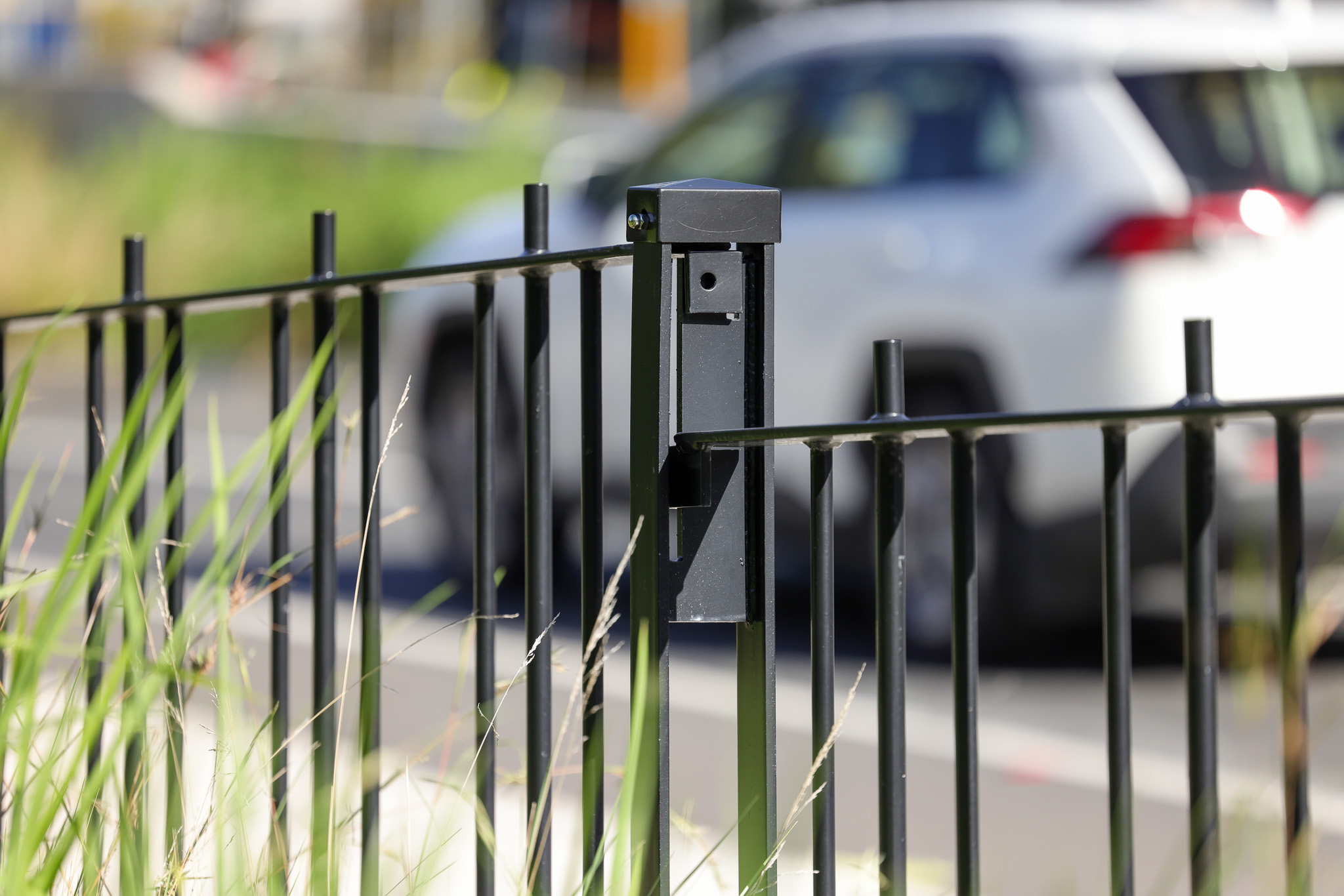
If you look across multiple projects, a pattern starts to emerge. The way we design for vehicles is highly structured and tightly controlled, but pedestrian safety often feels less defined. That imbalance is where many audit issues begin.
It tends to show up in familiar ways:
- Crossing points appearing where they were never intended
- Pedestrians moving too close to live traffic
- Desire lines forming without any real control
- Heavy reliance on signage to manage behaviour
These are not isolated issues. They are signs that the design is leaving too much up to judgement in real-world conditions.
That is why RMS pedestrian fencing keeps coming up in audit recommendations. It does not try to influence behaviour indirectly. It reshapes the environment so that unsafe interactions are less likely to happen in the first place.
When applied correctly, pedestrian fencing:
- Stops uncontrolled mid-block crossings from occurring
- Guides people toward designated, safer crossing points
- Limits how long pedestrians are exposed to moving traffic
- Makes movement more predictable for both drivers and pedestrians
From an audit perspective, the value is in the clarity it brings. Designs that remove uncertainty are much easier to stand behind. Instead of identifying a risk and hoping it is managed, you are showing exactly how that risk has been controlled.
For projects where audit defensibility matters, solutions such as Pedestrian Fencing offer a practical, standards-aligned way to meet TfNSW pedestrian fencing requirements. More importantly, they demonstrate that safety has been addressed through design, not left to chance.
Designing for Real Users, not Ideal Conditions
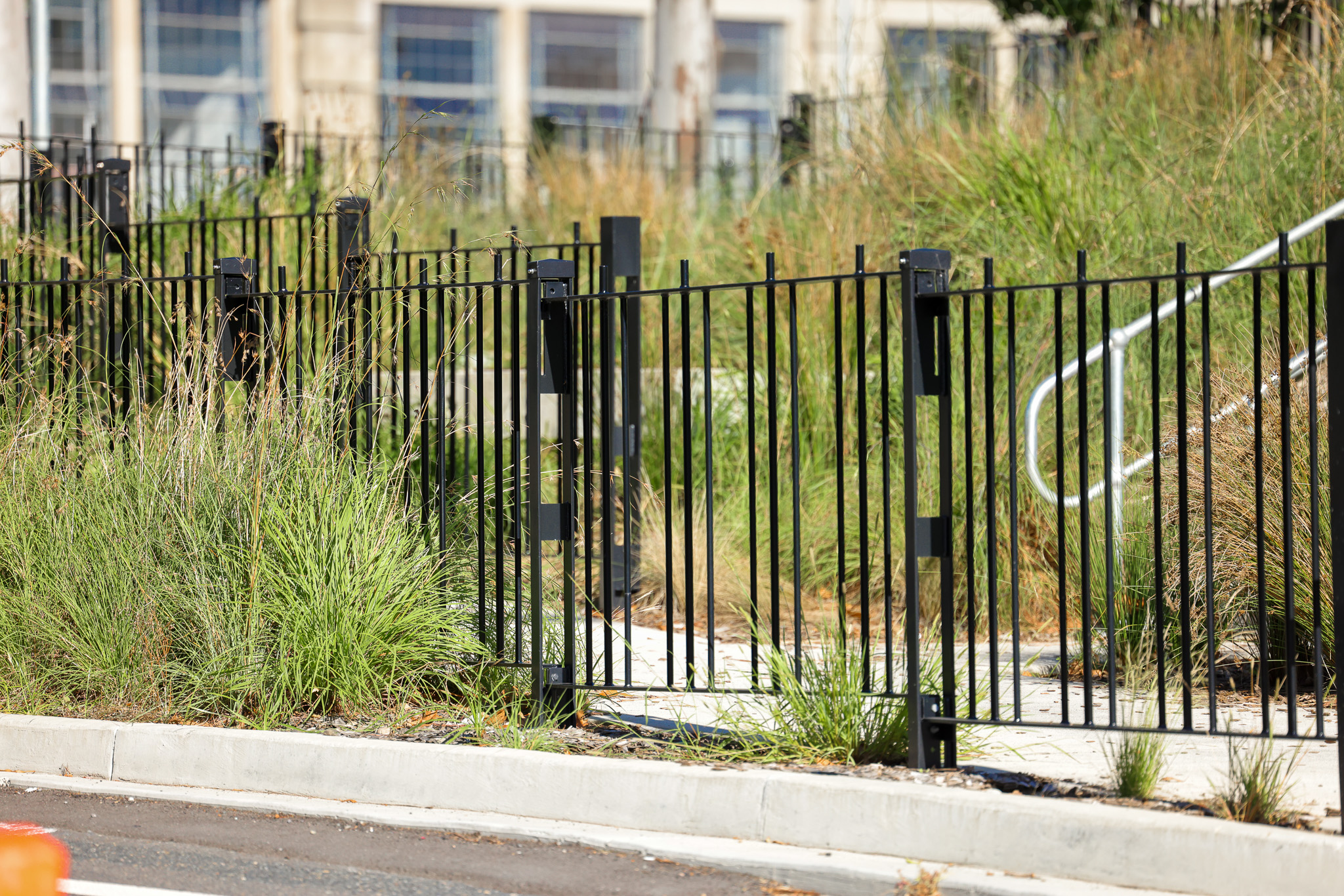
Another important shift reflected in current guidance is the growing focus on inclusivity. The concept of Universal Design road infrastructure recognises that not all pedestrians interact with the road environment in the same way.
In fact, up to 40% of the population will experience reduced mobility at some stage of life, whether due to age, injury, or long-term conditions. This means designs cannot be based on idealised users who can move quickly, judge gaps easily, or navigate complex environments without difficulty.
In reality, many people move more slowly, require additional time to assess traffic, or may avoid complex environments altogether. This includes older adults, children, and individuals using mobility aids.
Auditors are increasingly considering whether infrastructure accommodates these users effectively. Key questions include:
- Is there a continuous and legible path of travel?
- Are crossing decisions straightforward and intuitive?
- Does the environment reduce stress and uncertainty?
By guiding pedestrian movement and reducing the need for high-risk decisions, pedestrian fencing contributes to more inclusive outcomes. It helps create environments where users are not required to rely on speed, confidence, or quick judgement to remain safe.
This alignment with Universal Design road infrastructure principles also makes a project much easier to defend. It shows that the design has been thought through for real people in real conditions, not just for those who can move quickly and navigate risk with ease.
Supporting Better Outcomes Through Movement and Place
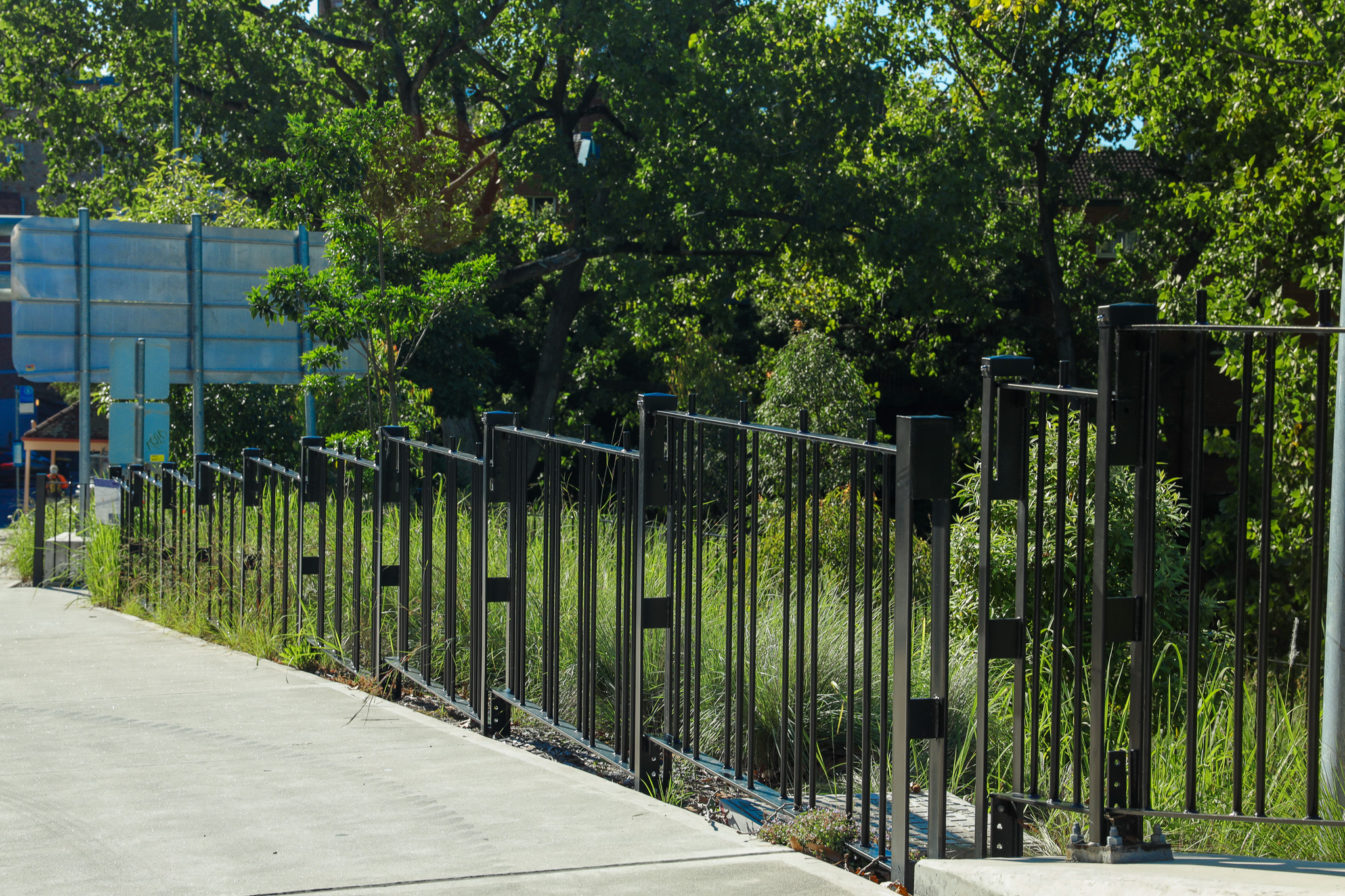
Austroads’ Movement and Place framework encourages a more balanced view of streets. Rather than being treated solely as transport corridors, roads are also places where people live, walk, and interact.
In many contexts, this means prioritising pedestrian experience and safety, particularly in:
- School environments
- Busy activity centres
- Public transport hubs
- Mixed-use urban corridors
Within these settings, pedestrian fencing plays a more strategic role. It is not simply about restricting movement. It helps structure how movement occurs. By defining where crossings should happen and reducing conflict with traffic, fencing:
- Reinforces pedestrian priority
- Supports planned crossing locations
- Improves overall network legibility
- Enhances perceived safety
Perception matters. Where people feel unsafe, they are less likely to walk, even if facilities technically exist. The Austroads review highlights that this can suppress walking activity altogether.
Introducing physical separation pedestrian safety measures can help address this by making routes feel protected and predictable. In doing so, fencing supports both safety objectives and broader goals tied to the Movement and Place framework.
Reducing Audit Risk Through Early Design Decisions
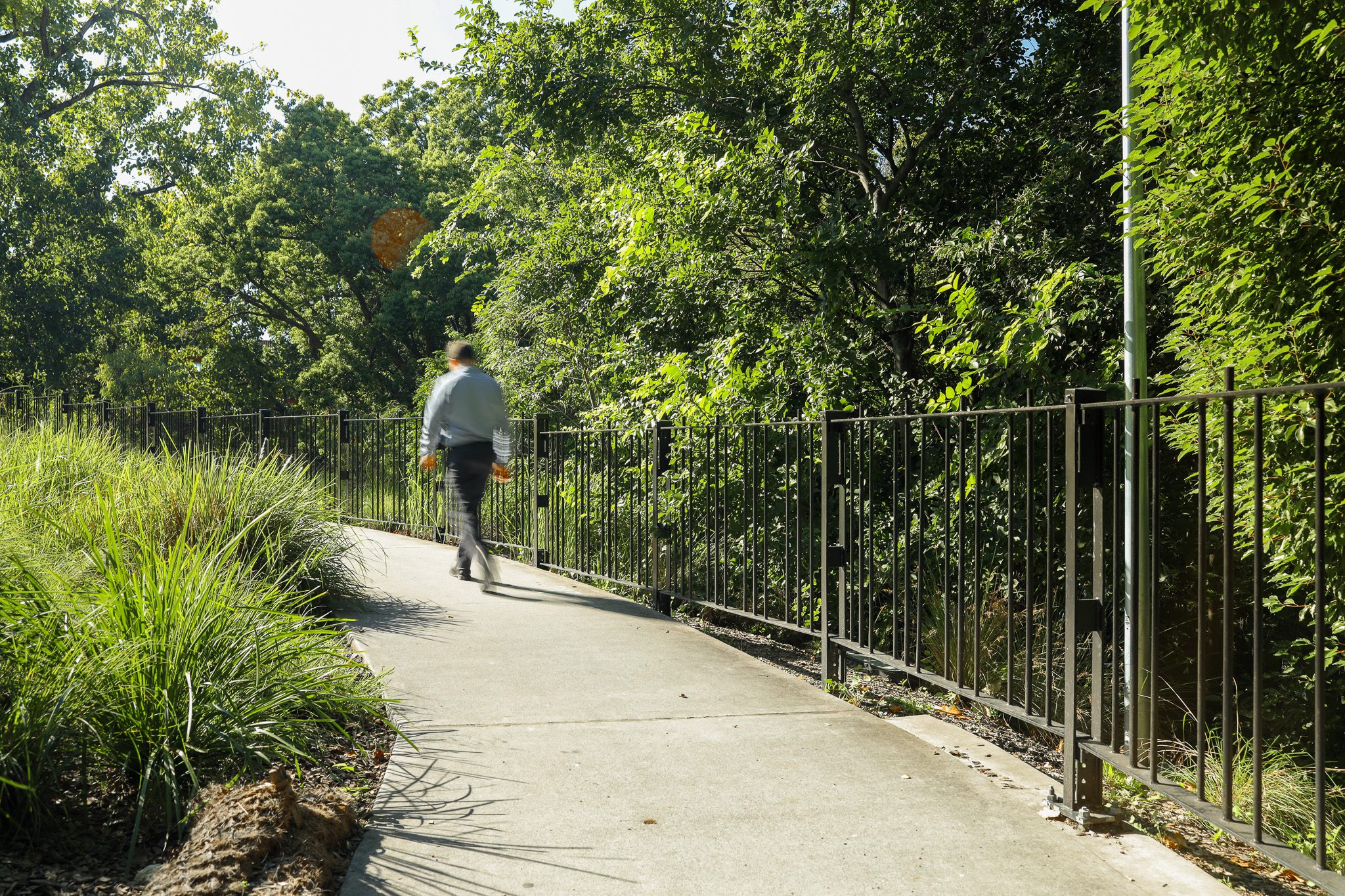
For project teams, one of the most effective ways to manage audit outcomes is to address pedestrian risk early. Waiting until the audit stage to resolve safety concerns often leads to reactive changes that are harder to justify and implement.
Incorporating TfNSW pedestrian fencing during concept and detailed design allows teams to:
- Align with Safe System pedestrian safety expectations from the outset
- Deliver more consistent Universal Design road infrastructure outcomes
- Support the intent of the Movement and Place framework
- Minimise recurring or avoidable audit comments
- Strengthen justification in REF and DA documentation
As expectations evolve, road safety audits across Australia are placing greater emphasis on whether risks have been actively designed out. Passive measures alone are less likely to satisfy this requirement.
Designs that demonstrate clear, physical risk controls are easier to defend because they show intent, not just compliance.
Ultimately, effective pedestrian safety design is about reducing exposure, simplifying decisions, and removing uncertainty. Increasingly, this means integrating pedestrian fencing as a deliberate and early design choice.
SCHEDULE A CONSULTATION: Set Your Project Up for Audit Success
Integrating pedestrian fencing early in the design process can make a measurable difference, not just for safety outcomes, but for how smoothly your project moves through audit.
Instead of responding to issues later, you can address risk upfront and avoid the back-and-forth that often comes with audit findings.
At Guard-R Group, we work closely with engineers, councils, and consultants to support practical, compliant solutions that stand up to scrutiny. If you are in the concept or detailed design stage, getting the right input early can help ensure your project aligns with current guidance and Safe System expectations from day one.
Schedule a consultation with our team to review your project and get clear, practical guidance on selecting the right solutions to improve safety outcomes and strengthen audit defensibility.