
Children are among the most vulnerable road users—particularly within school zones where traffic volumes surge during morning drop-off and afternoon pick-up periods. These short, high-pressure windows combine congestion, hurried drivers, and unpredictable pedestrian behaviour, significantly increasing the risk of incidents.
While signage, reduced speed limits, and crossing supervision remain essential elements of school zone safety, physical infrastructure provides a vital additional layer of protection. Purpose-designed pedestrian fencing helps manage movement, guide children toward controlled crossings, and maintain separation from live traffic.
However, not all pedestrian fencing offers the same level of protection. In higher-risk school environments, impact resistance matters. Vehicles can and do leave their intended path due to driver error, distraction, sudden braking, or loss of control. In these scenarios, fencing must do more than guide pedestrian flow—it must provide a physical safeguard that reduces the likelihood of vehicle intrusion into footpaths, crossings, and waiting areas.
Key Pedestrian Risks Around Schools
School zones concentrate high pedestrian activity into short, high-pressure timeframes. During drop-off and pick-up periods, the combination of young pedestrians and busy traffic creates conditions where small errors can quickly escalate into serious incidents.
Common risk factors include:
- Unpredictable child movement, such as stepping off the kerb without warning, running between parked vehicles, changing direction suddenly, or focusing on peers rather than approaching traffic.
- Driver distraction and time pressure, particularly as motorists search for parking, interact with children inside the vehicle, check navigation, or attempt quick drop-offs in congested conditions.
- Speed non-compliance, where drivers may accelerate between crossings or exceed school zone limits. This significantly increases stopping distances and reduces reaction time in an already complex environment.
- Footpaths located close to live traffic lanes, offering little buffer if a vehicle mounts the kerb, swerves to avoid a collision, or loses control during braking or turning.
- Restricted visibility at crossings and intersections, caused by buses, large vehicles, parked cars, school signage, and street furniture obscuring sightlines between drivers and pedestrians.
In these high-exposure environments, pedestrian barriers in school zones act as a critical physical safeguard rather than a behavioural control. For effective child pedestrian safety near roads, well-designed separation helps manage both predictable and unpredictable human behaviour, reducing the likelihood that everyday mistakes result in serious injury.
What Is Impact-Resistant Pedestrian Fencing?

Standard pedestrian fencing is primarily designed to guide foot traffic, discourage jaywalking, and organise pedestrian flow. While useful, these lighter systems offer limited protection in the event of a vehicle strike.
Impact-resistant pedestrian fencing is engineered to withstand or absorb vehicle forces, helping prevent cars from mounting kerbs or entering pedestrian areas. These systems are typically constructed using heavier-duty materials, reinforced posts, and tested designs intended for higher-risk roadside environments.
In school settings, this type of vehicle impact fencing plays a critical role in protecting waiting areas, crossings, and footpaths where children naturally congregate. These locations often experience high pedestrian density during peak periods, combined with close vehicle proximity and frequent manoeuvring. Impact-resistant systems help reduce the severity of incidents by providing a robust physical buffer that can deflect or slow a vehicle before it reaches pedestrian spaces.
Many of these systems are designed to align with TfNSW and RMS pedestrian fencing requirements, including applications under R0800 specifications. Compliance ensures consistent performance under impact conditions and supports safer outcomes across school environments and other high-risk locations.
TfNSW, RMS and School Zone Fencing Requirements

Across New South Wales and other Australian jurisdictions, Transport for NSW and RMS frameworks emphasise risk-based infrastructure design rather than one-size-fits-all solutions. School zones are typically classified as higher-risk environments due to concentrated pedestrian activity, limited reaction time, and frequent vehicle manoeuvring during peak periods. As a result, higher-performance safety measures are often expected in areas where pedestrians and vehicles interact closely.
This is where school zone fencing requirements in Australia increasingly focus on durability, impact performance, and correct placement. Fencing is no longer viewed solely as a visual or behavioural control. Instead, authorities assess how effectively infrastructure can physically reduce harm if a vehicle leaves the carriageway or fails to stop as intended.
RMS pedestrian fencing systems are commonly specified near crossings, refuges, kerb build-outs, and high-exposure footpaths to help manage vehicle intrusion risk in these critical locations. The objective extends beyond regulatory compliance to delivering consistent, real-world protection for vulnerable road users.
Selecting fencing based only on appearance or upfront cost can result in systems that are not suited to the level of exposure present in school environments. Where footpaths run close to live traffic or where vehicles frequently slow, stop, and turn, the consequences of underperforming infrastructure are higher. Effective school zone pedestrian safety relies on selecting purpose-designed fencing that reflects site-specific risk, anticipated vehicle behaviour, and pedestrian density, ensuring safety measures continue to perform as intended over the long term.
Where Impact-Resistant Fencing Makes the Biggest Difference

The effectiveness of pedestrian fencing near schools depends heavily on where it is installed and how well it responds to real traffic and pedestrian behaviour. When impact-resistant systems are placed in high-exposure locations, they provide meaningful protection by separating children from vehicles at the points of greatest risk.
Key high-impact locations include:
- School Entrances and Exits
These areas experience concentrated pedestrian movement as students arrive and leave in groups. Impact-resistant fencing helps manage crowd flow, prevents sudden road entry, and protects waiting children from nearby traffic. - Pedestrian Crossings and Refuge Islands
Crossings place pedestrians directly in the path of vehicles, particularly where drivers are slowing or turning. Robust fencing reduces the risk of vehicle intrusion into waiting areas and guides students toward controlled crossing points. - Footpaths Adjacent to Busy Roads
Along arterial and collector roads, footpaths often sit close to live traffic with little margin for error. Impact-resistant fencing provides a physical buffer that helps protect pedestrians if a vehicle mounts the kerb or loses control. - Bus Zones and Drop-Off Areas
These zones involve frequent stopping, reversing, and turning movements by vehicles. Fencing helps separate pedestrians from manoeuvring traffic and creates safer waiting areas during peak school hours.
In such environments, robust RMS-compliant pedestrian fencing supports safer movement patterns while providing a protective barrier from passing or errant vehicles. Councils and contractors often specify higher-performance systems from trusted suppliers, such as those found within Guard-R Group’s Pedestrian Fencing range.
Long-Term Benefits for Councils and Schools
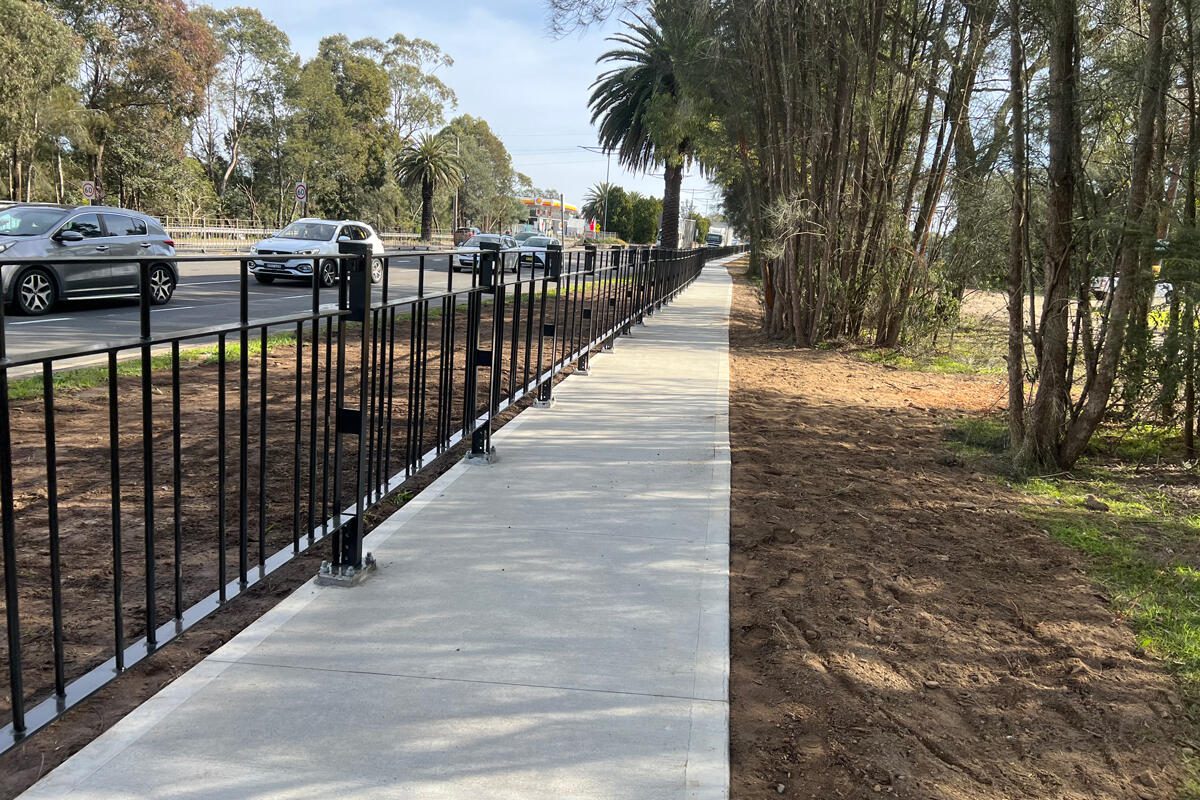
Safety infrastructure in school zones is not a short-term fix. When impact-rated systems are selected and installed correctly, they deliver long-lasting protection, reduce exposure to risk, and support better decision-making across the life of the asset.
Key long-term benefits include:
- Reduced Risk of Serious Injury
Impact-resistant fencing helps prevent vehicles from entering footpaths, waiting areas, and crossings, significantly lowering the likelihood of severe pedestrian injuries during traffic incidents. - Stronger Duty-of-Care Compliance
The use of compliant RMS pedestrian fencing demonstrates a proactive approach to managing known risks in high-exposure environments. This supports governance obligations and aligns with rising community and regulatory expectations. - Lower Whole-of-Life Costs
Durable, impact-rated systems are less likely to deform or fail after minor vehicle contact, reducing the need for frequent repairs, replacements, and reactive maintenance over time. - Increased Community Confidence
Clearly visible safety measures reassure parents, school staff, and the wider community that pedestrian risk has been carefully considered and addressed through permanent infrastructure solutions.
Ultimately, investing in impact-resistant pedestrian fencing is a preventative decision that delivers measurable safety outcomes. For councils and schools, it provides a reliable way to manage risk, protect vulnerable road users, and maintain safer school environments well into the future.
CONCLUSION: Stronger, Safer School Zones Start with Purpose-Built Pedestrian Fencing
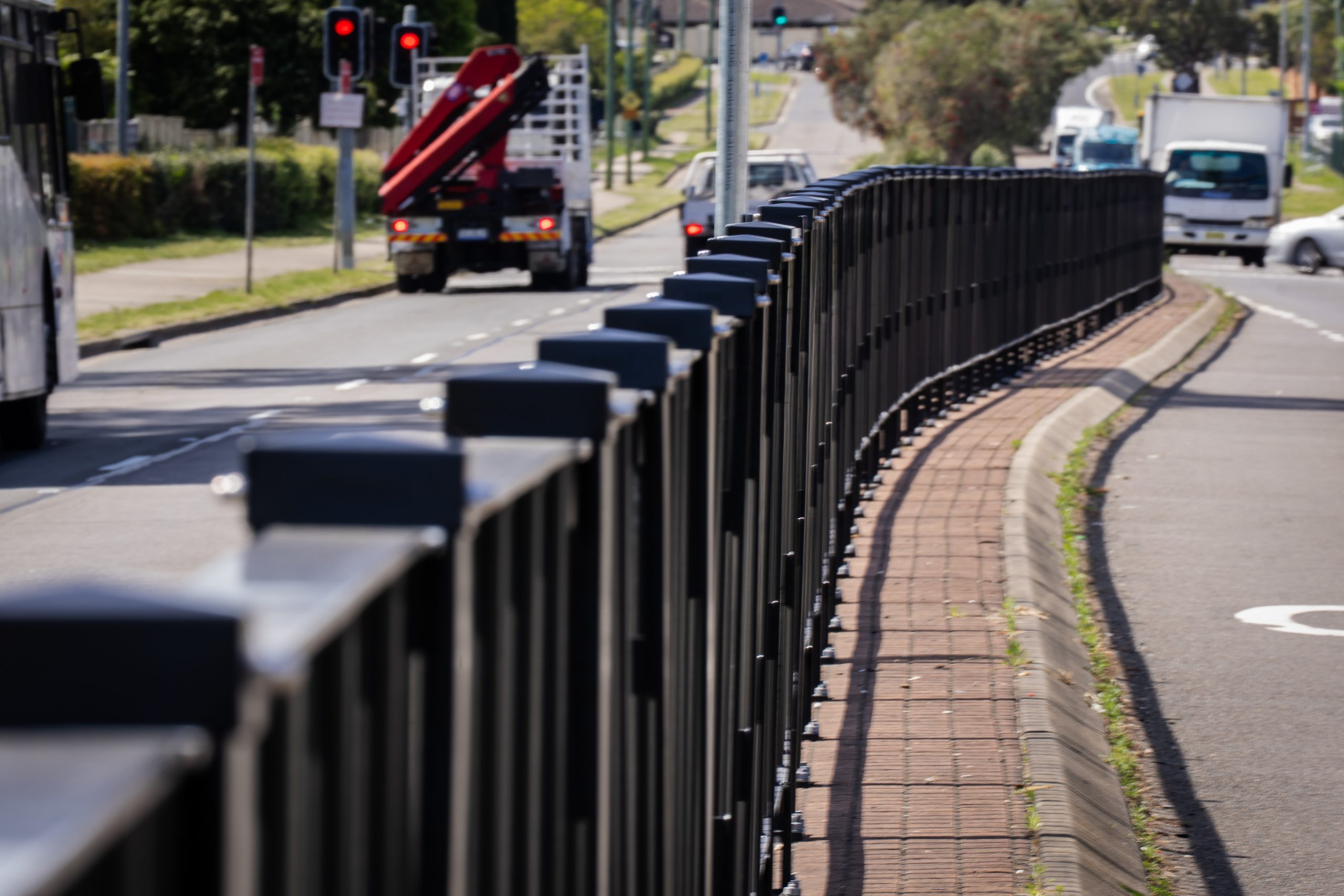
School environments demand more than basic barriers and signage. Effective school zone pedestrian safety relies on infrastructure that physically protects children from traffic risks when human error occurs. Impact-resistant pedestrian fencing provides critical separation, supports compliance with modern safety frameworks, and reduces the likelihood of severe incidents in high-exposure areas.
For councils, planners, and school administrators, proactive safety planning means choosing compliant, purpose-designed systems that match real-world risk. Investing in high-performance fencing today helps create safer school zones for years to come.
Request a Tailored, School-Specific Consultation
Explore Guard-R Group’s TfNSW and RMS-compliant Pedestrian Fencing range, including R0800, Type 1 and Type 5 Pedestrian Fencing solutions. Our team can provide site-specific advice, compliance documentation, and placement guidance to help protect children and meet Transport for NSW requirements.