
Commercial carparks today are busier and more complex than most people realise. With tighter layouts, constant vehicle turnover, EV chargers, delivery zones, and multi-use buildings operating around the clock, low-speed collisions and near-misses have become a growing concern.
According to industry data, December typically sees a 22% spike in carpark collisions compared to the annual monthly average. Meanwhile, insurance numbers tell us that 18% of all motor insurance claims stem from damage “while parked”; underlining how stationary vehicles in carparks are a major risk.
That’s why the right carpark barriers play such a critical role. For building managers, strata teams, councils, retail operators, and contractors, understanding how different barrier systems work (and where they’re needed most) is key to improving commercial carpark safety, protecting assets, and staying compliant across Australian facilities.
Key Takeaways:
With that in mind, here are the key takeaways every commercial property manager should keep on their radar.
- Understand the main carpark barrier types and what problems each one is designed to solve.
- Learn how layout, traffic behaviour, and site purpose influence barrier selection.
- Discover which compliance and impact-rating factors matter most for commercial facilities.
- See why purpose-built systems from Guard-R offer reliable, long-term carpark protection for Australian properties.

The Growing Need for Vehicle Control in Modern Carparks
Carparks aren’t just after-work drop-off zones anymore; they’re active, dynamic spaces where people, vehicles, and goods circulate constantly. That complexity drives risk: according to the National Road Safety Partnership Program (NRSPP), between 10 % and 21 % of fleet insurance claims come from low-speed manoeuvring or parking incidents on private property like carparks.
Beyond collisions, financial risk is significant too. The NRSPP reports an average net cost of around A$3,000 per carpark incident, combining damage to both the insured and third-party vehicles.
All of this makes the case for effective vehicle control barriers stronger than ever. These systems aren’t just for preventing damage; they guide drivers, reduce liability, and help carpark operators manage risk predictably. With the right carpark protection systems, property managers can protect people and assets while improving operational resilience.
Typical Hazards in Commercial Carparks (and Where Barriers Make the Difference)
Commercial carparks deal with a mix of predictable risks, from tight turns to busy pedestrian zones. Each hazard needs the right type of protection to keep people and assets safe. Here’s where barriers make the biggest difference across modern commercial facilities.
Vehicle–Pedestrian Conflicts
Pedestrians frequently cross drive aisles, step out from between vehicles, or navigate corners where visibility is limited. Distractions from phones, noise, or poor signage intensify the risk. Purpose-built carpark barriers help define movement zones, ensuring vehicles stay within safe paths. By reinforcing pedestrian routes, facilities significantly enhance commercial carpark safety and reduce the likelihood of collisions.
Structural Impact and Property Damage
Walls, ramps, columns, and entry points often suffer expensive damage from slow-speed impacts. Repair costs compound when operations must stop for safety assessments. Installing strong bollards and barriers for carparks prevents vehicles from striking critical structures. These systems absorb or redirect energy, protecting assets and reducing ongoing maintenance burdens.
Ramps, Edges, and Multi-Level Drop-Off Risks
Upper levels, tight turns, and steep ramps amplify the risk of misjudgment. Effective carpark protection systems guide vehicles safely through confined areas while preventing dangerous overhangs near drop-offs. In multi-level environments, these solutions provide both physical safeguarding and psychological reassurance for drivers navigating unfamiliar spaces.
Varying Traffic Zones and Their Protection Needs
High-volume entry points, exit lanes, ticket machines, and internal intersections demand stronger systems than low-speed parking lanes. Selecting from different carpark barrier types ensures each zone has the appropriate level of impact resistance. Proper matching of barrier strength to traffic activity enhances safety and ensures long-term performance across the entire facility.

Carpark Barriers and Their Role in Safety & Compliance
Effective carpark barriers play a critical role in keeping high-traffic environments predictable and safe. Beyond simply blocking vehicle access, they provide physical separation between pedestrians and moving vehicles, absorb accidental impacts, shield building structures, and guide drivers through tight or complex layouts.
In commercial settings where space is limited and vehicle movement is constant, purpose-built systems are essential. Unlike generic road barriers or improvised solutions, engineered carpark barriers are designed for low-speed, close-quarters manoeuvring and carry specific performance values that match real-world collision risks.
Compliance is equally important. Commercial facilities must meet local council requirements, engineering certifications, and insurer expectations around impact resistance and risk mitigation. Using tested and certified vehicle control barriers ensures predictable performance during an incident, making safety audits smoother and reducing liability exposure for property owners and managers.
When compliant design is paired with proven impact ratings, sites benefit from stronger commercial carpark safety, reduced ongoing repair costs, and a safer, more reliable environment for daily users.
Comparing Carpark Barrier Types: Here’s How to Ensure the Right Fit
Different zones, traffic patterns, and risk levels call for different levels of protection, so no single solution fits every site. Here’s a breakdown of the main carpark barrier types and where each one delivers the most value in commercial environments.
Bollards
Bollards are ideal for shielding assets, entry points, electrical equipment, and pedestrian areas. As part of broader bollards and barriers for carparks, they provide targeted protection in confined zones and stop vehicles from encroaching on sensitive spaces.
Beam Barriers
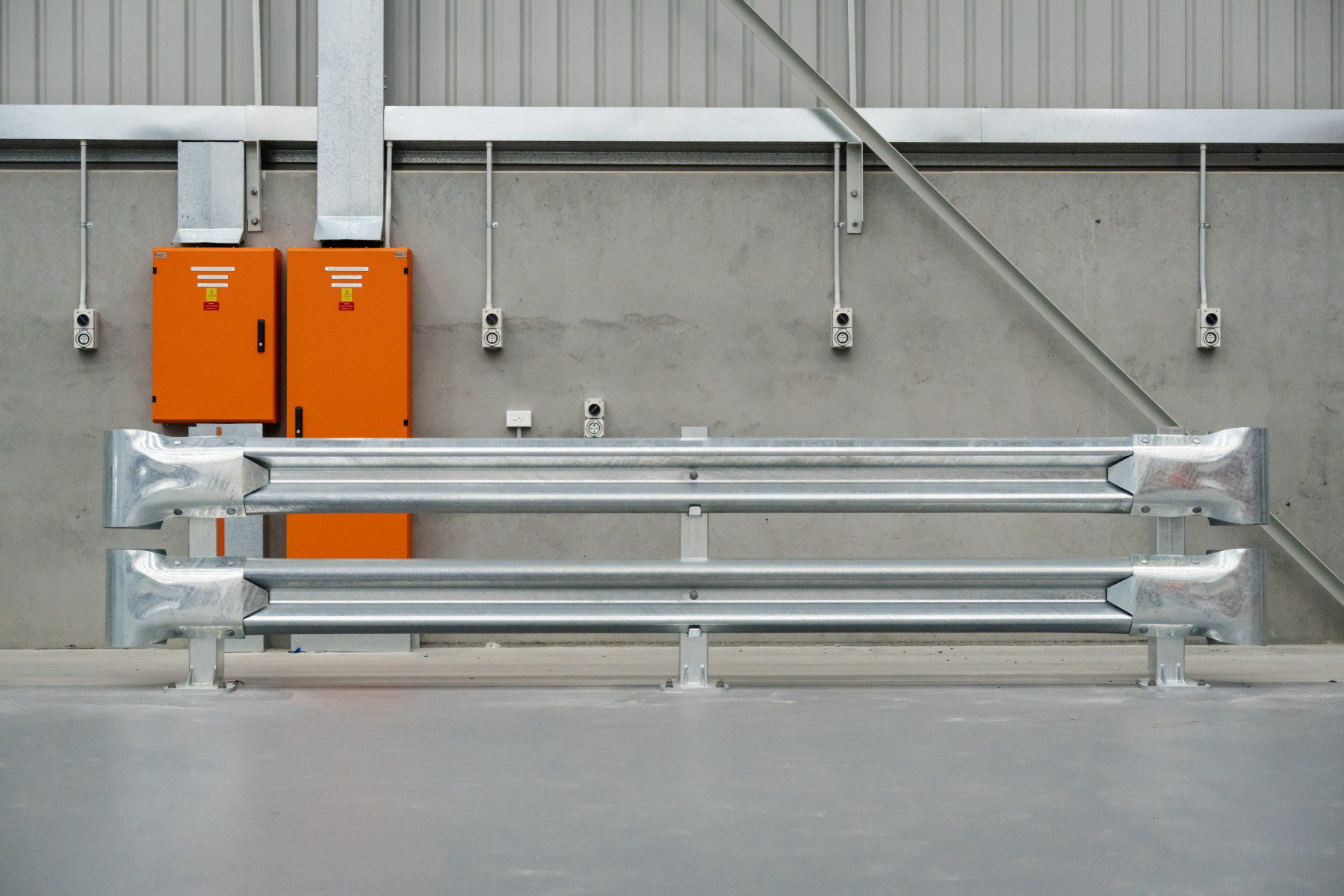
Beam barriers offer strong linear protection along edges, ramps, and structural walls. Engineered for higher impact resistance, these carpark barriers prevent significant damage in areas where vehicles frequently misjudge turns.
Flexible Barriers
Flexible systems are designed for repeated impacts without losing performance. These carpark protection systems help reduce maintenance costs, especially in logistics zones or busy ramps where contact is more common.
Modular Barrier Lines
Modular barriers adapt easily to complex layouts. They allow facility managers to build tailored vehicle control barriers suited to each zone’s activity level while ensuring consistent safety coverage.
Column Guards
Columns are frequent impact points. Column guards protect structural elements and reduce expensive repairs. When integrated with other carpark barrier types, they form a complete safety network that strengthens the reliability of the site.

The Carpark Barrier Decision Framework (Checklist for Property Managers)
Before choosing carpark barriers, it’s important to understand how vehicles, pedestrians, and structures interact across your site. This quick framework helps property managers assess risks clearly and select the right protection for each zone.
Identify High-Exposure Zones
Map areas where vehicles travel close to walls, columns, edges, or pedestrian paths. These are the spots most likely to require stronger vehicle control barriers.
Review Traffic Speeds and Behaviours
Analyse typical driving patterns to pinpoint areas where misjudgment or overshooting occurs. Low-speed collisions often cluster around tight turns and entry/exit points.
Assess Pedestrian Pathways
Mark all foot-traffic routes and note any crossovers with vehicle movements. This highlights zones that may need clearer separation or targeted safety upgrades.
Inspect Existing Damage
Look for recurring impact marks, scraped columns, and previous repair sites. Past damage is one of the best indicators of where future incidents are likely.
Match Barrier Strength to Impact Risk
Select barrier types based on expected impact force in each location. Heavier traffic zones or ramps may require higher-rated carpark protection systems.
Check Engineering and Compliance Requirements
Ensure all chosen barriers meet council, insurer, and structural guidelines. Using certified systems reduces liability and simplifies audits.
Plan a Staged Installation
Schedule upgrades in phases to avoid unnecessary downtime. This keeps the carpark operational while improvements are rolled out.
Create a Site-Wide Upgrade Roadmap
Document all findings and prioritise upgrades in a clear, actionable plan. This helps stakeholders understand the scope, timing, and budgeting requirements.
Understanding Standards, Impact Ratings & Local Requirements
Australian safety regulations require commercial sites to install tested and certified impact systems wherever there is a foreseeable collision risk. For property managers, this means understanding how impact ratings, allowable load resistance, and engineering specifications determine whether a barrier will perform as intended during a real incident.
Choosing carpark barriers that have been independently crash-tested provides predictable, repeatable behaviour under force, which is essential in tight commercial environments. Certified, impact-resistant carpark solutions are backed by detailed engineering data that supports council submissions, risk assessments, and insurance requirements.
Using compliant systems not only demonstrates due diligence but also reduces liability by ensuring the barrier has been verified against Australian performance criteria. This combination of proven impact performance and regulatory alignment makes certified barriers the most reliable long-term choice for commercial facilities.

Guard-R Group’s Carpark Barrier Range and Design Expertise
Guard-R Group provides a comprehensive range of carpark protection systems engineered for Australian commercial environments. Our solutions combine strength, reliability, and flexibility, helping facility managers protect both people and assets efficiently.
Modular Barrier Designs
Each system is built for adaptability, allowing seamless integration into open-air and multi-level carparks. Modules can be configured to fit unique layouts while maintaining consistent safety standards.
Proven Impact Performance
Guard-R’s barriers are crash-tested and engineered to deliver predictable, repeatable performance. This ensures vehicles are contained safely and reduces structural damage and downtime.
Fast, Low-Disruption Installation
Installation methods are designed to minimise downtime for tenants, visitors, and daily operations. Our systems can usually be installed in stages to suit operational requirements.
Tailored Solutions for Every Facility
From retail centres and strata complexes to logistics hubs and mixed-use developments, Guard-R’s carpark protection systems are customised to address the specific risks and traffic patterns of each site.
A high-traffic hospital carpark needed a safety overhaul, and Guard-R delivered a tailored solution that protects both people and infrastructure.
The Challenge:
Casey Hospital’s new multideck carpark in Berwick, Victoria, handles heavy daily traffic from staff, visitors, delivery vehicles, and pedestrians. Tight ramps, multiple levels, and mixed movement raised the risk of collisions and structural damage. The facility needed robust, compliant guardrails and barriers that could protect people and assets while meeting Australian safety standards.
Guard-R’s Contribution:
Guard-R supplied Kwik-Guard® Guardrail with Handrail & Mesh Class 4 and Kwik-Guard® Guardrail Class 1 Double Height. Their modular systems integrated seamlessly with ramps, parking bays, and pedestrian routes. Working with architects and builders, Guard-R provided technical support, load data, and installation guidance to ensure compliance and smooth execution.
Result:
The multideck carpark now offers hundreds of safe, accessible spaces, with crash-tested barriers reducing collision risk and protecting infrastructure. Monash Health benefits from a safer, efficient, and compliant facility, while Guard-R demonstrates how engineered carpark protection systems deliver long-term safety and reliability.
Why the Right Barrier System Saves Money and Prevents Liability
A well-designed barrier system does more than just stop a vehicle. It protects your building, reduces ongoing costs, and helps prevent avoidable legal issues. Here’s why choosing the right system matters long-term.
Prevents Expensive Structural Damage
High-impact barriers reduce collisions with ramps, walls, columns, and services. Fewer strikes mean lower repair bills and a longer lifespan for the entire carpark.
Reduces Insurance Claims
When barrier systems minimise accidents, facilities experience fewer incident reports and lower claim frequency, which can positively influence premiums over time.
Improves Safety & Lowers Liability Risk
Well-placed bollards and barriers create clear pedestrian zones and restrict unsafe vehicle movements. This supports duty of care responsibilities and protects owners from preventable liability.
Enhances User Confidence
Drivers feel more secure navigating a protected, clearly defined environment, improving the overall experience for tenants, visitors, and staff.
CONCLUSION: Stronger Barriers, Safer Sites
Choosing the right carpark barriers ensures safer operations, better asset protection, and long-term cost savings. With certified impact performance and systems built for Australian conditions, Guard-R Group helps commercial facilities reduce risk while maintaining compliance.
Request An Obligation-Free Carpark Safety Assessment
Contact the Guard-R team for a tailored assessment and a customised safety plan. Our specialists will review your site, identify high-risk zones, and recommend the most effective barrier strategy to improve safety, reduce maintenance costs, and support long-term compliance.
Build Safer, More Reliable Carparks – On Time & On Spec
Explore car carpark solutions on our website or book a no-obligation consultation to discuss how Guard-R can help you design safer, compliant carpark environments that stand the test of time.
Frequently Asked Questions
What are the most common types of carpark barriers?
Bollards, beam barriers, flexible barriers, modular barrier lines, and column guards—each designed to protect different zones and manage specific impact risks.
Where should barriers be installed in a commercial carpark?
They’re typically placed near pedestrian paths, structural elements, ramps, drop-offs, and high-traffic areas where vehicle misjudgment is more likely.
Are Guard-R’s systems compliant with Australian laws and standards?
Yes, all Guard-R systems are engineered and certified to meet relevant Australian Standards, ensuring predictable performance and easier approvals.
Can barriers be customised for unusual layouts?
Absolutely. Modular and adaptable designs allow Guard-R systems to fit tight corners, multi-level configurations, and non-standard site geometries.
How long does installation take?
Most installations involve minimal downtime, with modular components enabling quicker fit-outs even in busy, operational carparks.
What’s the difference between flexible and rigid barriers?
Flexible systems absorb and recover from repeated low-speed impacts, while rigid barriers deliver higher stopping power for zones requiring stronger protection.