
Why Vehicle Barriers Are One of the Most Critical Safety Systems in Modern Car Parks
When most people think about car park guardrails, they see a steel barrier around the edge of a parking structure. What many don’t realise is that these systems are performing a critical safety function every day—protecting people, buildings, vehicles, and infrastructure from potentially catastrophic consequences.
At Guard-R Group, we believe car park guardrails should never be viewed as a simple line item or finishing trade. They are engineered safety systems designed to absorb vehicle impact energy, protect critical assets, and help ensure compliance with Australian building and parking facility requirements.
As multi-storey car parks become larger, busier, and more complex, the role of vehicle barriers has never been more important.
Preventing Vehicles From Leaving the Parking Structure
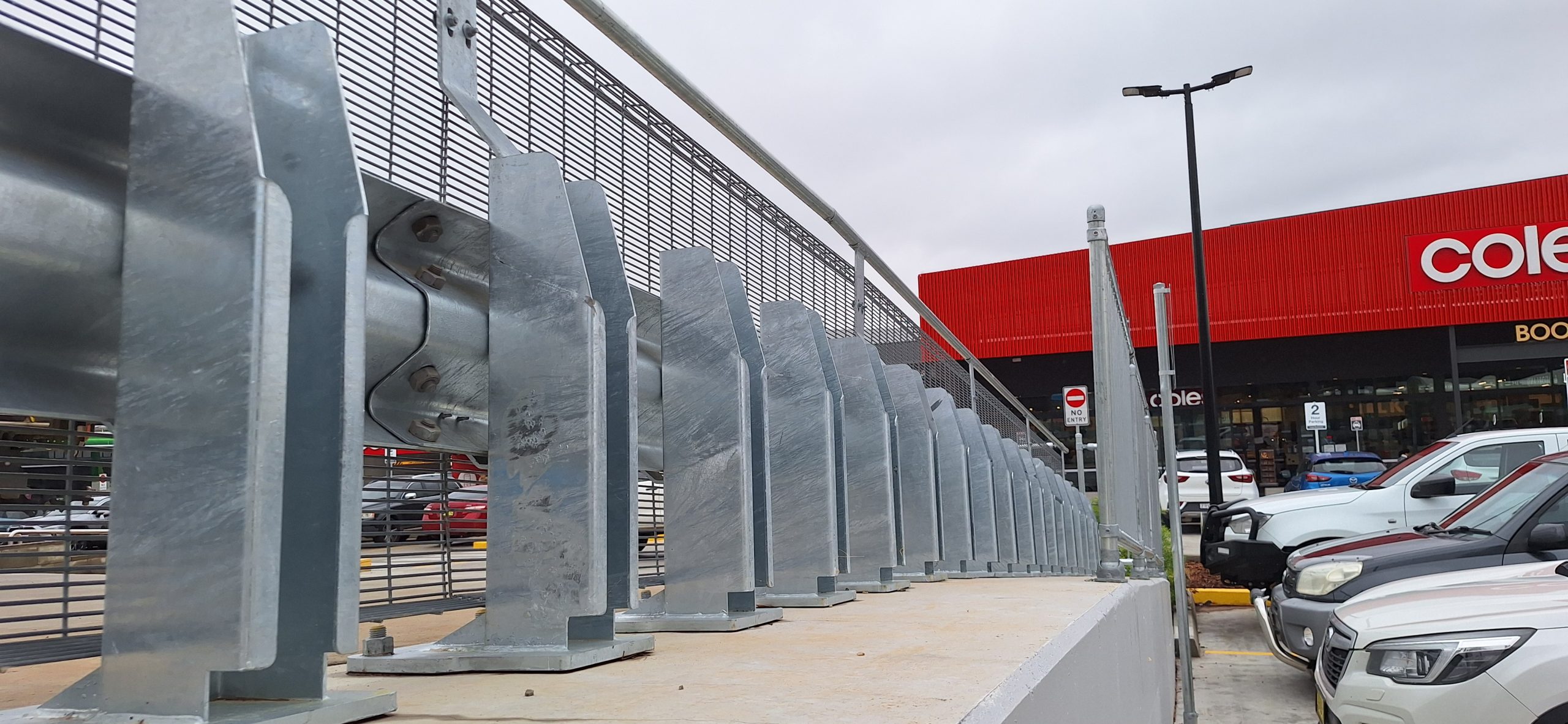
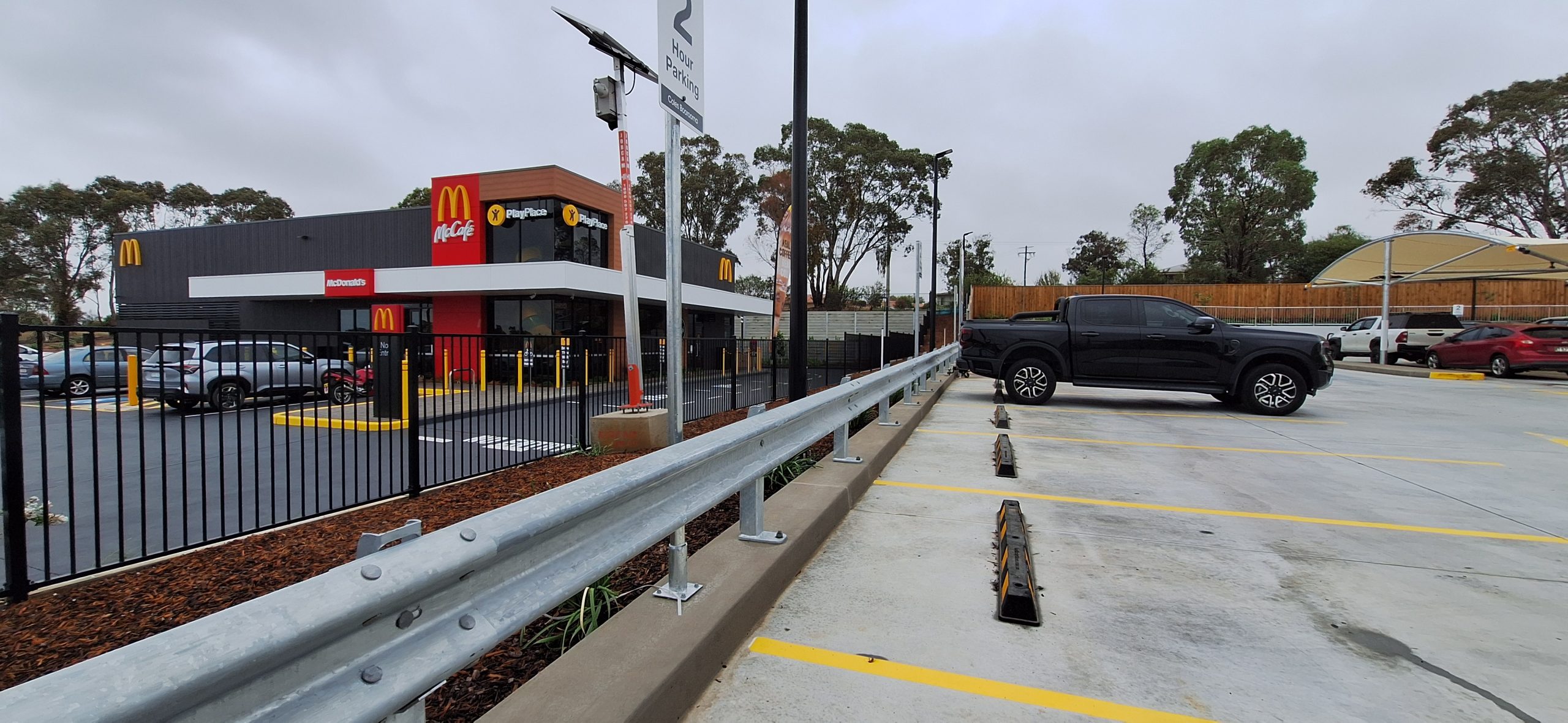
The primary purpose of a car park guardrail is to prevent a vehicle from breaching the edge of a parking deck, ramp, or elevated structure.
Whether caused by driver error, poor visibility, mechanical failure, or unexpected acceleration, vehicles occasionally strike perimeter barriers. Without a properly designed guardrail system, the consequences can be severe, resulting in injury, fatalities, property damage, and significant liability exposure.
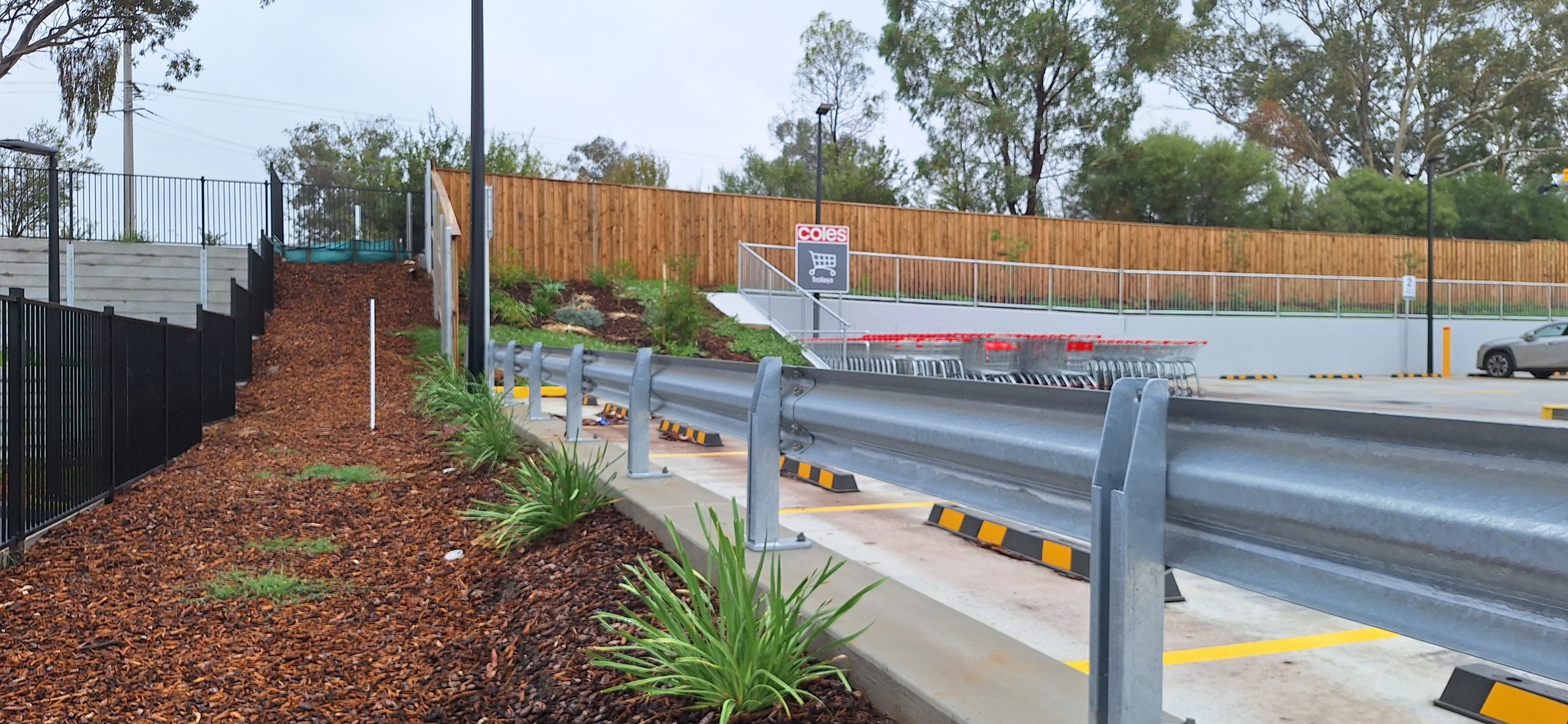
Vehicle barriers are engineered to absorb impact forces and redirect or contain vehicles before they leave the structure.
This protection is particularly important in:
- Multi-storey car parks
- Hospital car parks
- Shopping centres
- Airports
- Commercial buildings
- Industrial facilities
- Mixed-use developments
Protecting Pedestrians From Vehicle Impacts
Modern car parks are shared environments where vehicles and pedestrians interact constantly.
Drivers are navigating confined spaces, reversing from parking bays, negotiating ramps, and manoeuvring around structural elements. At the same time, pedestrians are walking between vehicles, lifts, stairwells, retail areas, and building entrances.
Vehicle barriers create a physical separation between vehicles and pedestrian areas, significantly reducing the risk of accidental vehicle intrusion into walkways and occupied spaces.
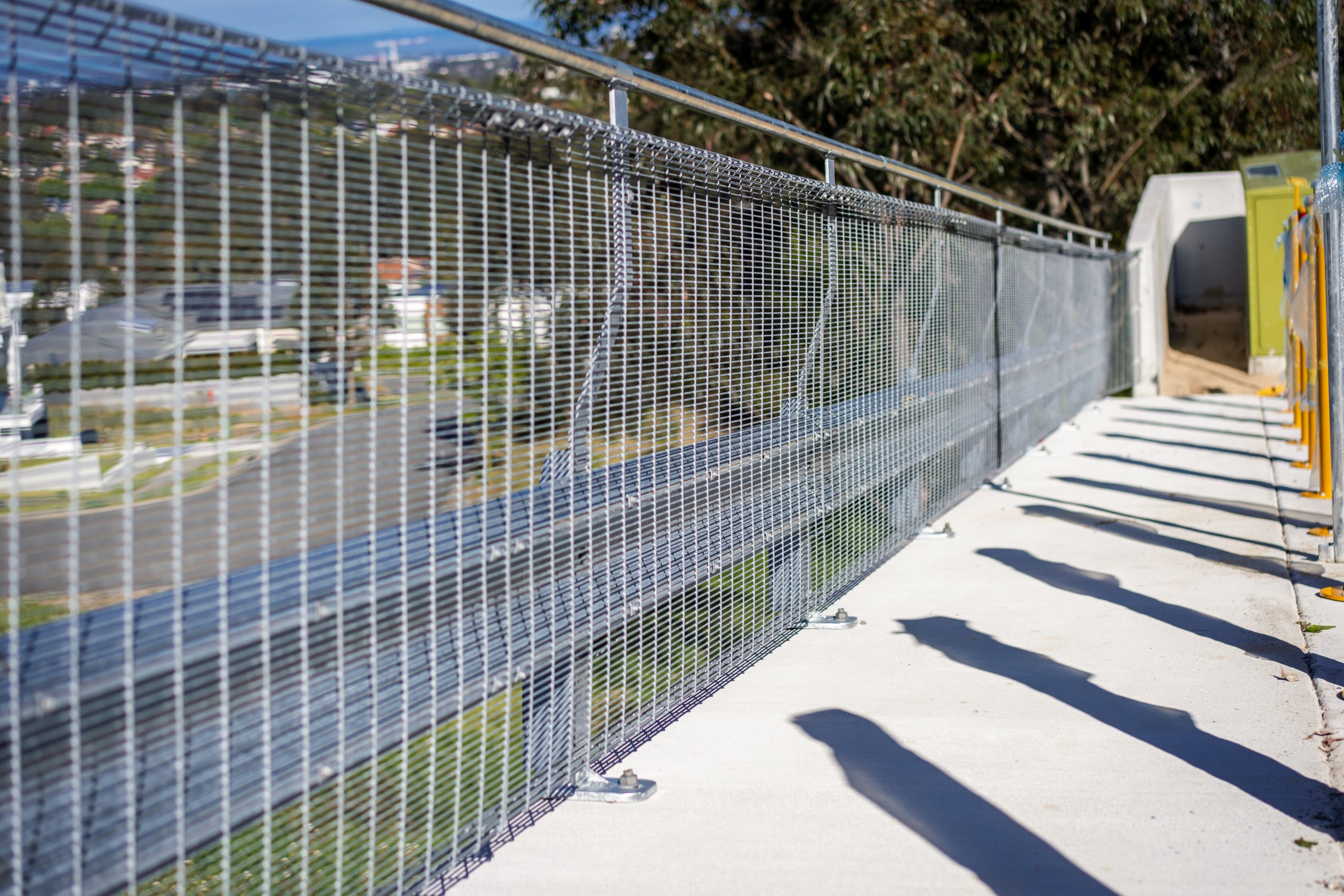
In many projects, guardrails are integrated with handrails and mesh infill systems to provide both impact protection and fall prevention within a single engineered solution.
Protecting Building Assets and Infrastructure
One of the most overlooked functions of car park guardrail is asset protection.
A low-speed vehicle impact can cause significant damage to:
- Structural columns
- Building façades
- Fire services
- Electrical switchboards
- Plant equipment
- Communication infrastructure
- Lift cores
- Service risers
The cost of repairing damaged infrastructure often exceeds the cost of installing the protective barrier in the first place.
For this reason, guardrails are frequently specified around vulnerable building elements to protect both the asset and the ongoing operation of the facility.
Reducing Long-Term Maintenance Costs
Vehicle impacts are an inevitable part of a car park’s lifecycle.
The question is not whether impacts will occur, but how the structure will respond when they do.
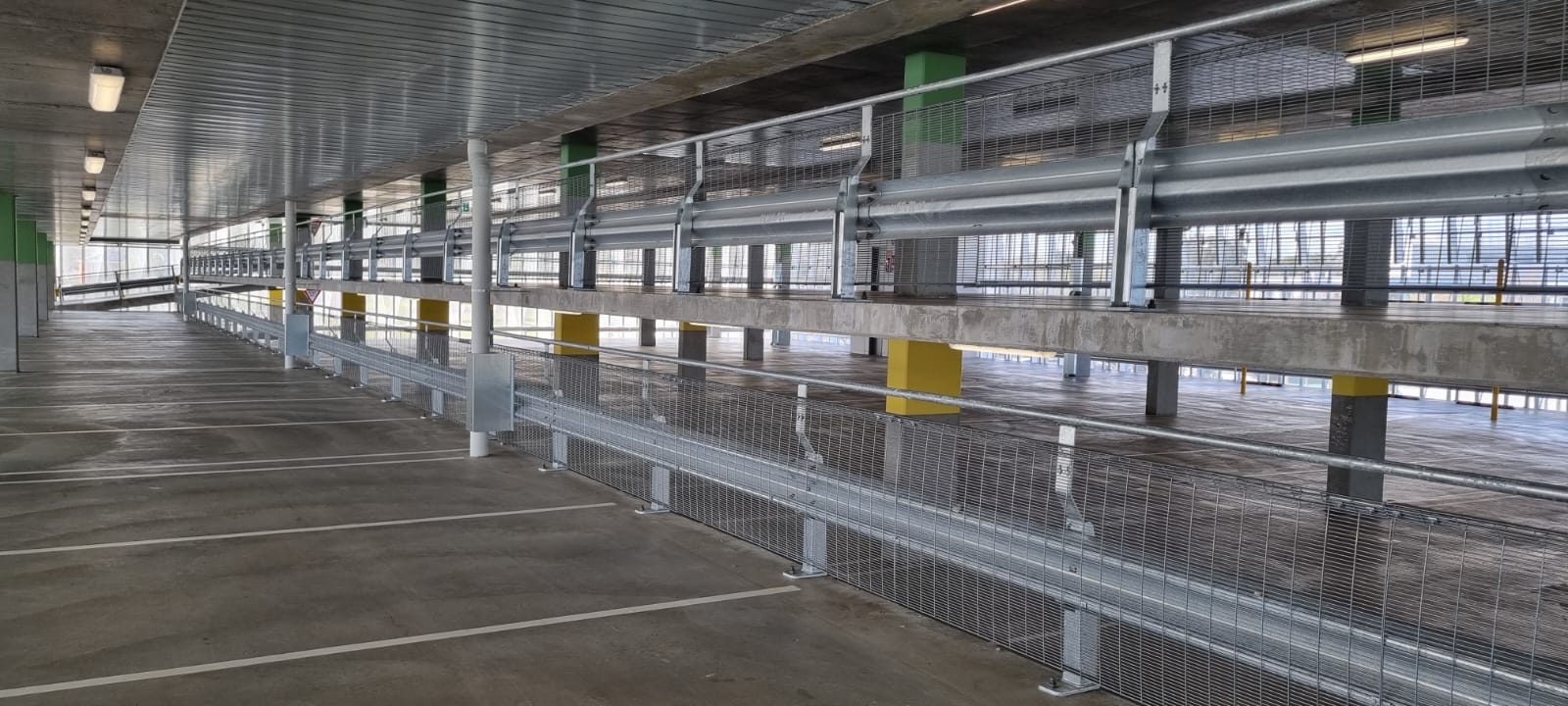
Well-designed guardrail systems act as sacrificial protection, absorbing impact energy and preventing damage to expensive structural components.
Instead of repairing concrete slabs, façade systems, columns, or building services, facility owners can often replace a damaged rail section and quickly return the area to service.
Over the life of a car park, this can deliver significant maintenance and asset management savings.
Supporting Compliance With Australian Standards
Vehicle barriers are also a critical component of compliance.
Australian car parks are typically designed in accordance with:
- AS/NZS 2890.1 Parking Facilities
- AS/NZS 1170.1 Structural Design Actions
- National Construction Code (NCC)
These requirements recognise that vehicle impacts are foreseeable events that must be considered during the design process.
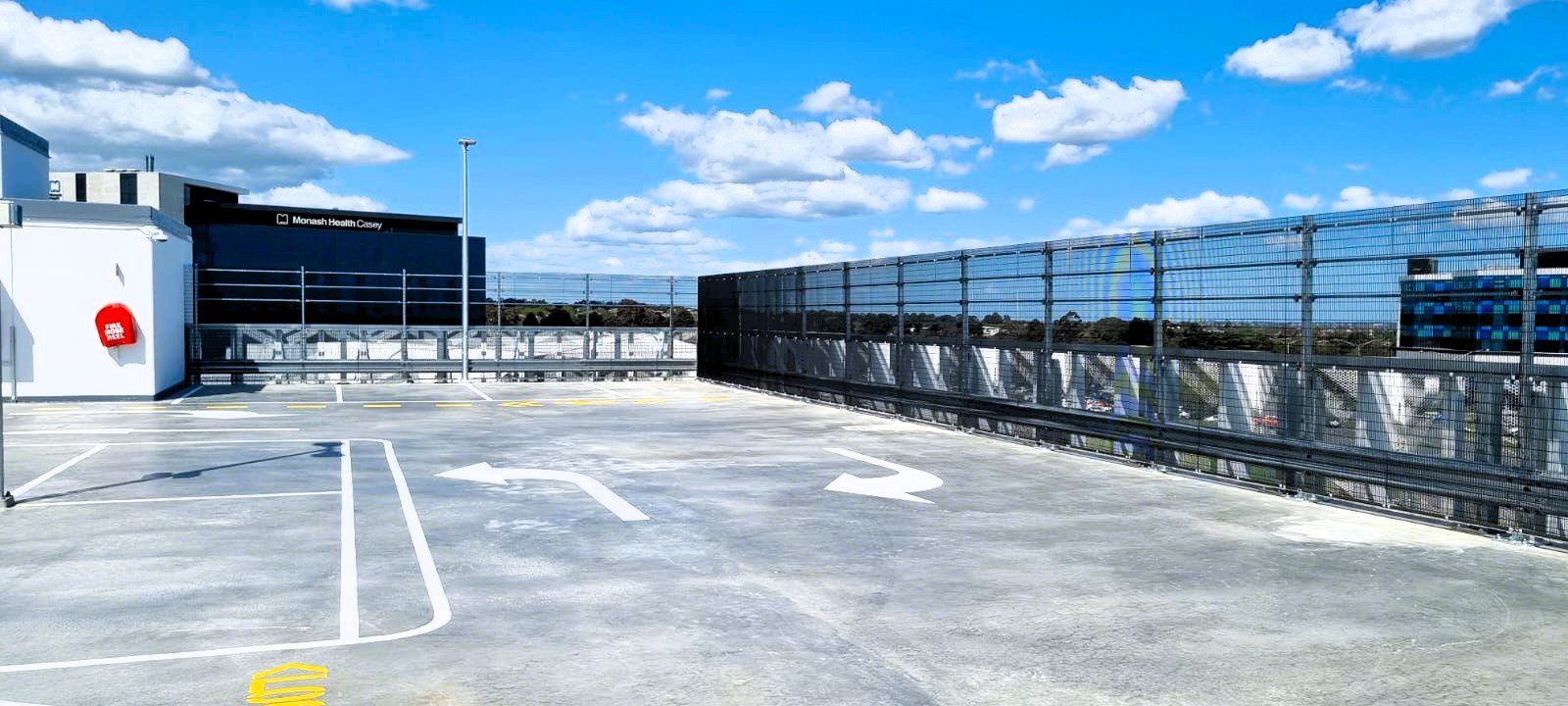
Selecting an appropriately engineered guardrail system helps project teams demonstrate compliance while providing confidence to owners, builders, certifiers, and structural engineers.
More Than a Barrier—A Critical Safety System
The best car park guardrails do far more than stop vehicles.
They protect people.
They protect buildings.
They protect critical infrastructure.
They reduce maintenance costs.
They support regulatory compliance.
Most importantly, they provide a vital layer of protection that allows car parks to operate safely for decades.
At Guard-R Group, we work with architects, engineers, builders, and asset owners to deliver vehicle barrier systems that are engineered for Australian conditions and designed to meet the demands of modern car park construction.
Our Kwik-Guard® car park guardrail system combines crash-tested performance, modular installation, integrated handrail options, and compliance-focused design to help create safer and more resilient parking facilities across Australia.
Because when it comes to vehicle barriers, the purpose isn’t simply stopping a vehicle—it’s protecting everything behind it.
REQUEST A CONSULTATION: Plan Your Car Park the Right Way from Day One
Ensure your multi-level car park is designed for safety, compliance, and long-term performance. Our team provides project-specific guidance on vehicle guardrail systems, helping you avoid design clashes, reduce rework, and meet Australian Standards from the outset