
Understanding Car Park Barrier Requirements in Australia
Car park guardrails are not simply a recommended safety feature—they are a critical component of compliant car park design in Australia. Whether designing a multi-storey car park, commercial development, hospital, warehouse, or mixed-use building, vehicle barriers play an essential role in protecting people, property, and infrastructure.
Unfortunately, many project teams only consider guardrail requirements late in the design process, leading to costly redesigns, construction delays, and compliance challenges.
Understanding when and where vehicle barriers are required can help designers, engineers, builders, and asset owners avoid these issues while delivering safer facilities.
What Do Australian Standards Require?
The primary standards governing vehicle barriers in Australian car parks include:
- National Construction Code (NCC)
- AS/NZS 2890.1 – Parking Facilities
- AS/NZS 1170.1 – Structural Design Actions
Together, these documents establish the requirements for protecting vehicle occupants, pedestrians, building structures, and adjacent property from vehicle impacts.
While every project must be assessed individually, vehicle barriers are generally required wherever there is a risk of a vehicle leaving the designated parking area.
Where Are Vehicle Barriers Typically Required?
Vehicle barriers are commonly installed at:
Deck Perimeters
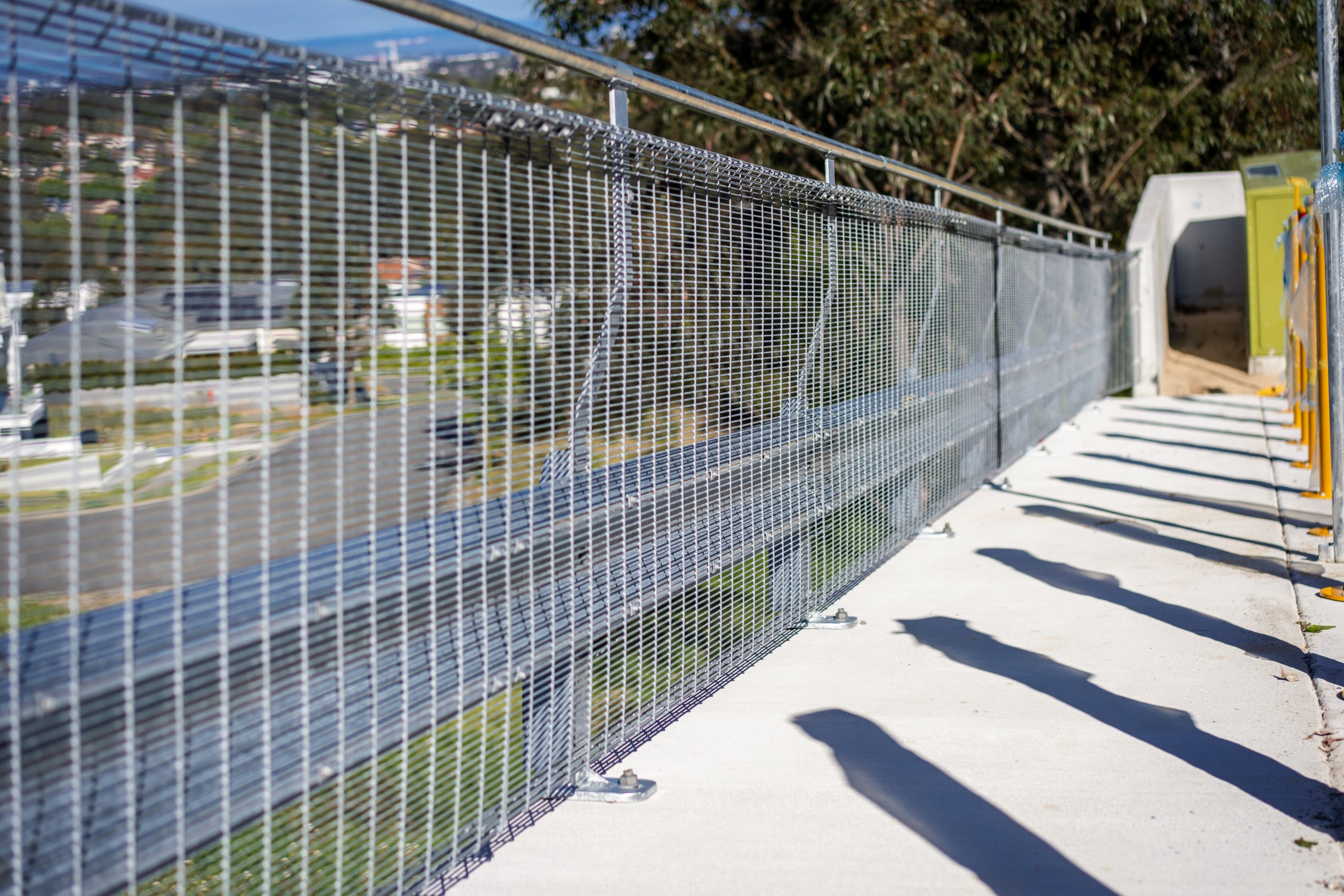
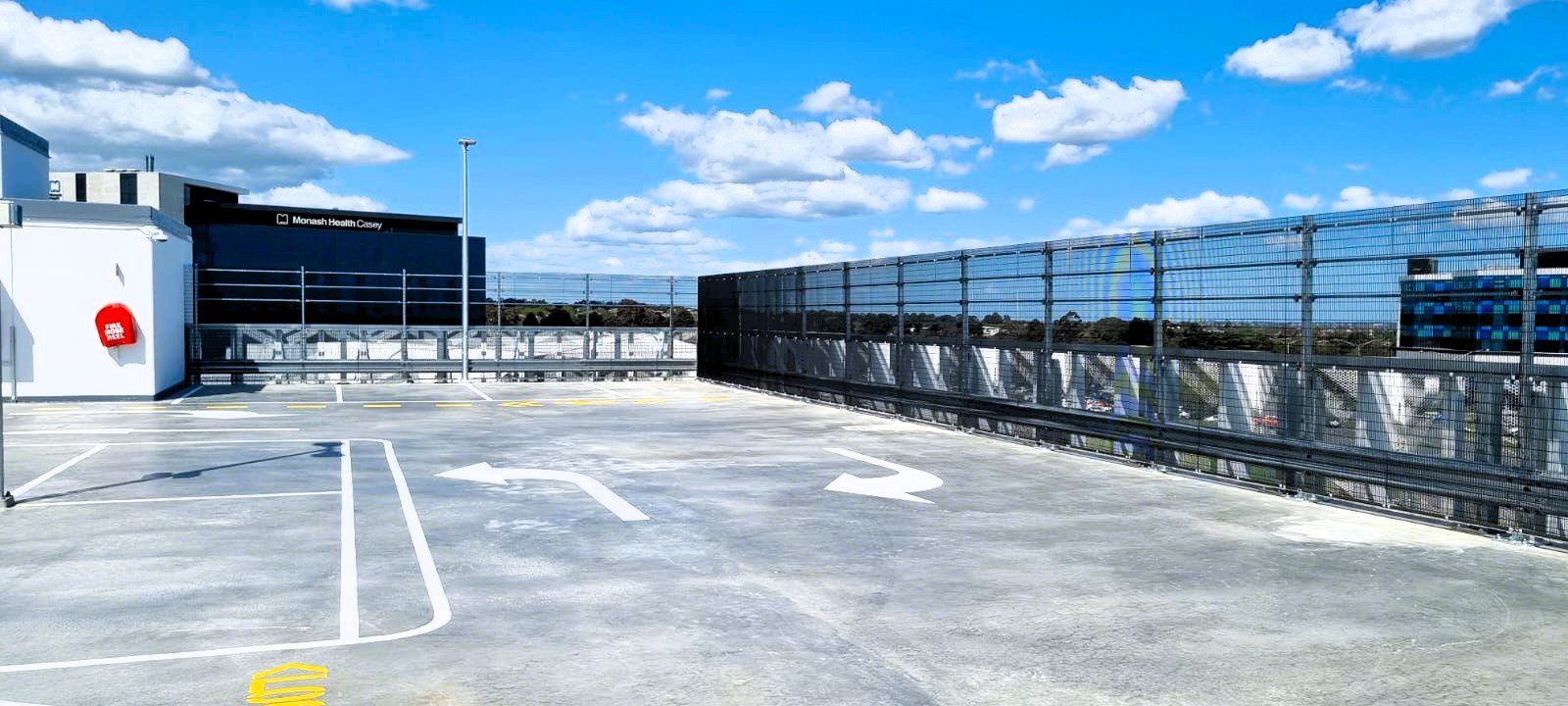
Any elevated parking deck presents a significant risk if a vehicle were to overrun the edge. Vehicle barriers are designed to absorb impact forces and prevent vehicles from leaving the structure.
Multi-Storey Car Parks
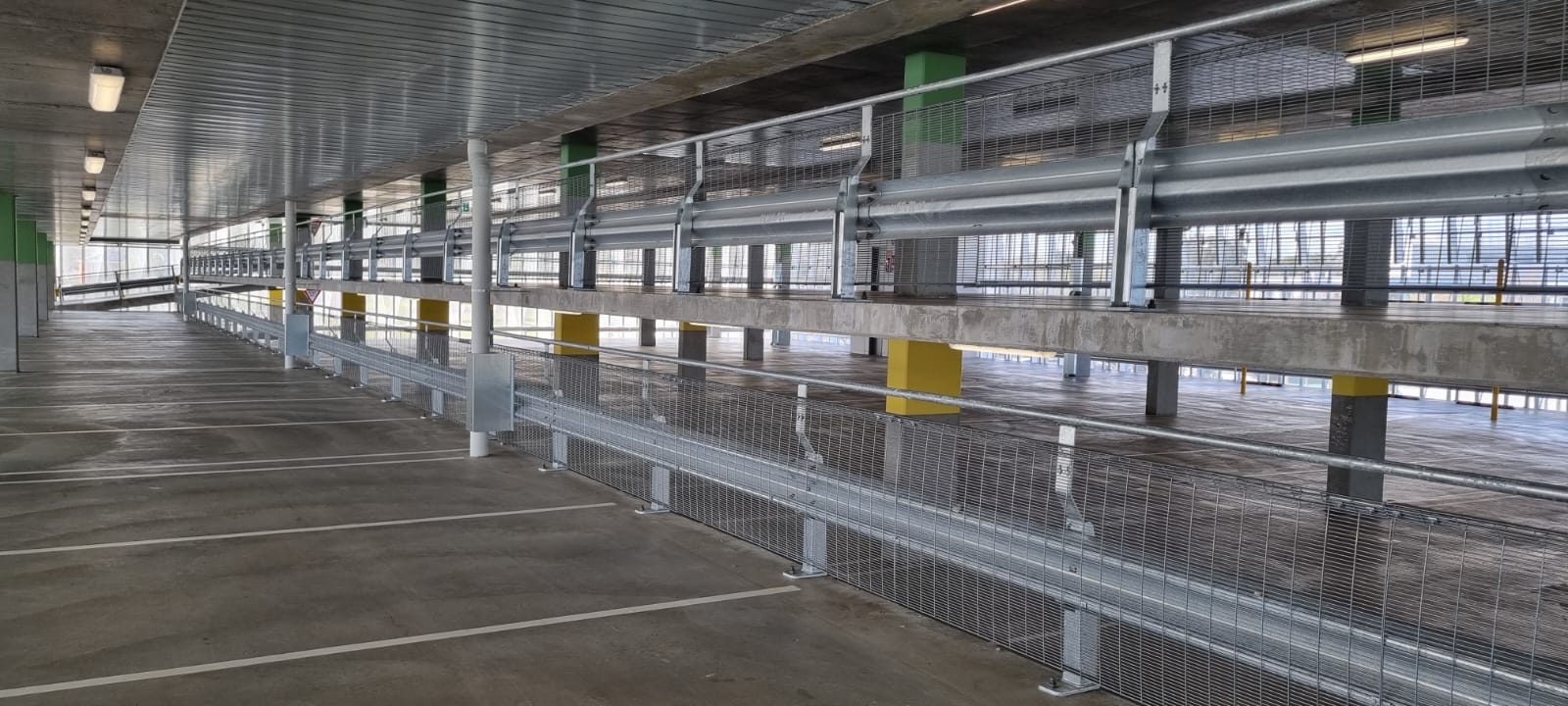
Perimeter protection is essential on all levels where vehicles are operating near slab edges, façade systems, or pedestrian areas.
Ramps
Particular attention must be paid to ramp edges and ramp terminations. Long descending ramps can generate substantially higher impact forces, often requiring heavier-duty barrier systems.
Pedestrian Areas
Vehicle barriers help separate vehicles from footpaths, walkways, lift lobbies, stair access points, and other pedestrian zones.
Building Services and Infrastructure
Critical assets such as electrical switchboards, fire services equipment, generators, plant rooms, and communications infrastructure should be protected from accidental vehicle impacts.
Structural Columns
Columns located within parking areas are vulnerable to vehicle strikes. Guardrail systems can protect structural elements and reduce long-term repair costs.
Why Compliance Matters
Vehicle barriers are designed to do much more than stop a vehicle.
Properly engineered guardrail systems help:
- Protect building occupants and pedestrians.
- Prevent vehicles from leaving elevated structures.
- Protect expensive building infrastructure.
- Reduce structural repair costs.
- Improve asset longevity.
- Meet regulatory and insurance requirements.
- Reduce liability exposure for building owners.
A vehicle impact can cause significant structural damage and safety risks if barriers have not been correctly designed and installed.
How Are Car Park Guardrails Designed?
Vehicle barriers are typically engineered to resist specific impact loads determined by project requirements and relevant standards.
Factors influencing barrier design include:
- Vehicle type.
- Vehicle speed.
- Barrier location.
- Height of potential fall.
- Ramp geometry.
- Building classification.
- Risk profile of the facility.
Structural engineers use AS/NZS 1170.1 design actions to determine the required barrier performance and ensure adequate load transfer into the supporting structure.
Integrating Guardrails with Fall Protection

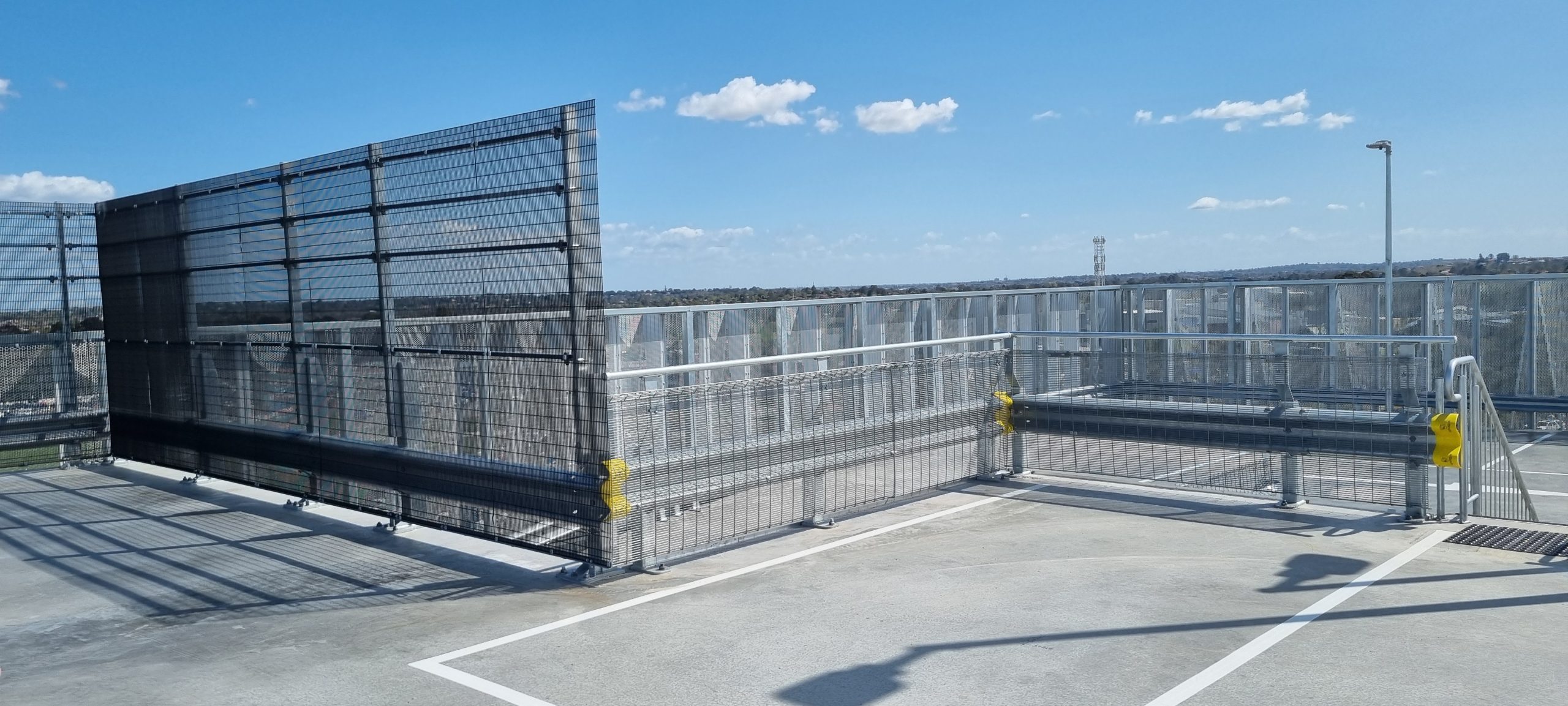
Many modern car park designs combine vehicle barriers with handrails and mesh infill systems.
This approach can help projects satisfy both vehicle impact requirements and fall prevention requirements under the NCC, while reducing the need for separate structures and improving overall project efficiency.
Integrated systems are becoming increasingly popular on hospitals, airports, commercial buildings, and large multi-storey car park developments throughout Australia.
The Cost of Leaving Guardrails Until Late Design
One of the most common mistakes in car park projects is treating vehicle barriers as a finishing item rather than a structural design element.
Barrier loads must be considered early in the design process because they directly affect:
- Slab design.
- Edge beam design.
- Anchor selection.
- Reinforcement detailing.
- Façade coordination.
- Pedestrian protection requirements.
Early collaboration between architects, structural engineers, builders, and guardrail specialists can help avoid costly redesigns and construction delays.
Compliance Starts with the Right Barrier System
Car park guardrails are a mandatory safety component in most Australian parking facilities. They protect people, buildings, and assets while helping projects achieve compliance with the NCC, AS/NZS 2890.1, and AS/NZS 1170.1.
As multi-storey car parks become larger and more complex, selecting the right vehicle barrier system early in the design process is becoming increasingly important.
At Guard-R Group, our Kwik-Guard® car park guardrail system is engineered specifically for Australian car parks, warehouses, hospitals, and commercial developments. With crash-tested performance, modular installation, integrated handrail and mesh options, and compliance-focused design, Kwik-Guard® helps project teams deliver safer and more efficient outcomes.
For technical advice, specifications, drawings, and compliance documentation, contact the Guard-R Group team.
REQUEST A CONSULTATION: Plan Your Car Park the Right Way from Day One
Ensure your multi-level car park is designed for safety, compliance, and long-term performance. Our team provides project-specific guidance on vehicle guardrail systems, helping you avoid design clashes, reduce rework, and meet Australian Standards from the outset