
As road networks become busier and urban environments more complex, pedestrian safety has become one of the most important considerations in modern infrastructure design.
For road engineers, designers, and transport authorities, pedestrian fencing is no longer viewed as optional roadside infrastructure — it is an essential safety system that plays a critical role in protecting vulnerable road users and improving the overall safety performance of road corridors.
Across Australia, pedestrian fencing is now widely incorporated into road designs as a mandatory safety measure in high-risk pedestrian environments including school zones, transport interchanges, intersections, medians, shared paths, bridges, and high-traffic urban corridors.
At the forefront of this space is Guard-R Group’s Street-Guard® pedestrian fencing system, designed to provide compliant, durable, and highly effective pedestrian protection solutions for modern transport infrastructure.
Protecting Vulnerable Road Users
Pedestrians remain among the most vulnerable users within any transport network.
Without physical separation and controlled movement paths, pedestrians often cross roads unpredictably, creating dangerous conflict points with moving vehicles.
Pedestrian fencing is specifically designed to reduce these risks by guiding pedestrians toward designated crossing locations and preventing unsafe crossing behaviour.
This is particularly important in environments such as:
- School zones
- Signalised intersections
- Rail corridors
- Bus interchanges
- Urban arterials
- Roundabouts
- Median islands
- Shared pedestrian and cycling corridors
By creating clear and controlled pedestrian pathways, fencing significantly improves safety outcomes for both pedestrians and motorists.
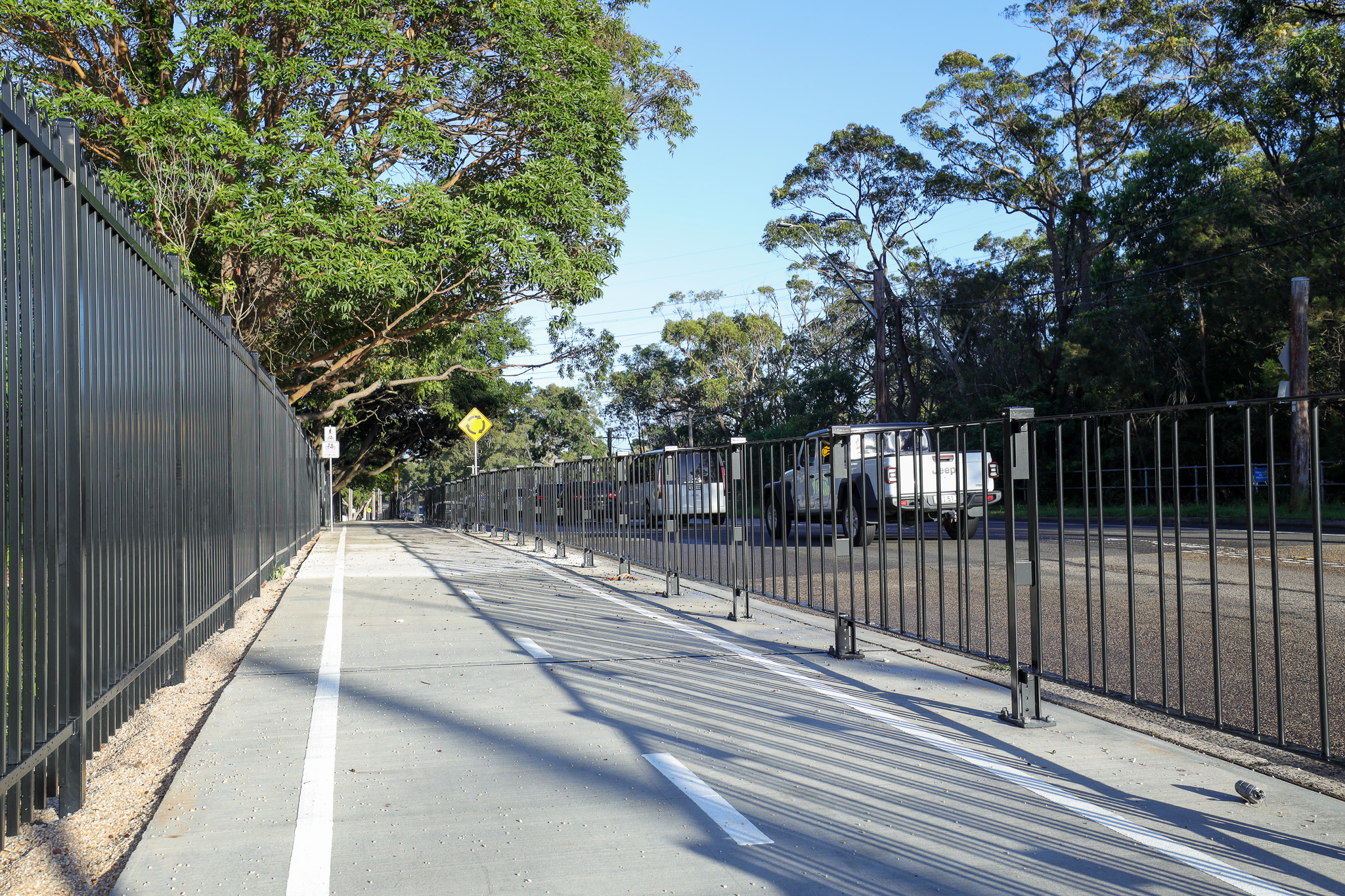
A Mandatory Component of Safer Road Design
Modern road design principles increasingly focus on reducing the consequences of human error through physical safety controls.
Pedestrian fencing has become a mandatory design element across many transport infrastructure projects because it delivers a simple but highly effective form of protection and movement control.
For road engineers and designers, pedestrian fencing helps achieve several critical safety objectives:
- Preventing uncontrolled road crossings
- Reducing pedestrian exposure to live traffic
- Improving driver predictability
- Guiding pedestrians toward safe crossing points
- Improving safety around schools and public transport areas
- Reducing conflict points along busy corridors
- Enhancing overall traffic flow efficiency
In many cases, pedestrian fencing is required to satisfy transport authority safety requirements and road design standards for projects involving high pedestrian activity or elevated traffic risk.
Why Physical Separation Matters
Road safety is heavily influenced by predictability.
When pedestrians move unpredictably through live traffic environments, the risk of serious incidents increases dramatically.
Street-Guard® pedestrian fencing creates a physical barrier that helps organise pedestrian movement and improve road user discipline.
This separation is especially important in areas where:
- Vehicle speeds are high
- Traffic volumes are significant
- Pedestrian activity is concentrated
- Sightlines are limited
- Children or vulnerable users are present
By reducing random crossing behaviour, pedestrian fencing improves driver awareness and creates safer, more controlled transport environments.
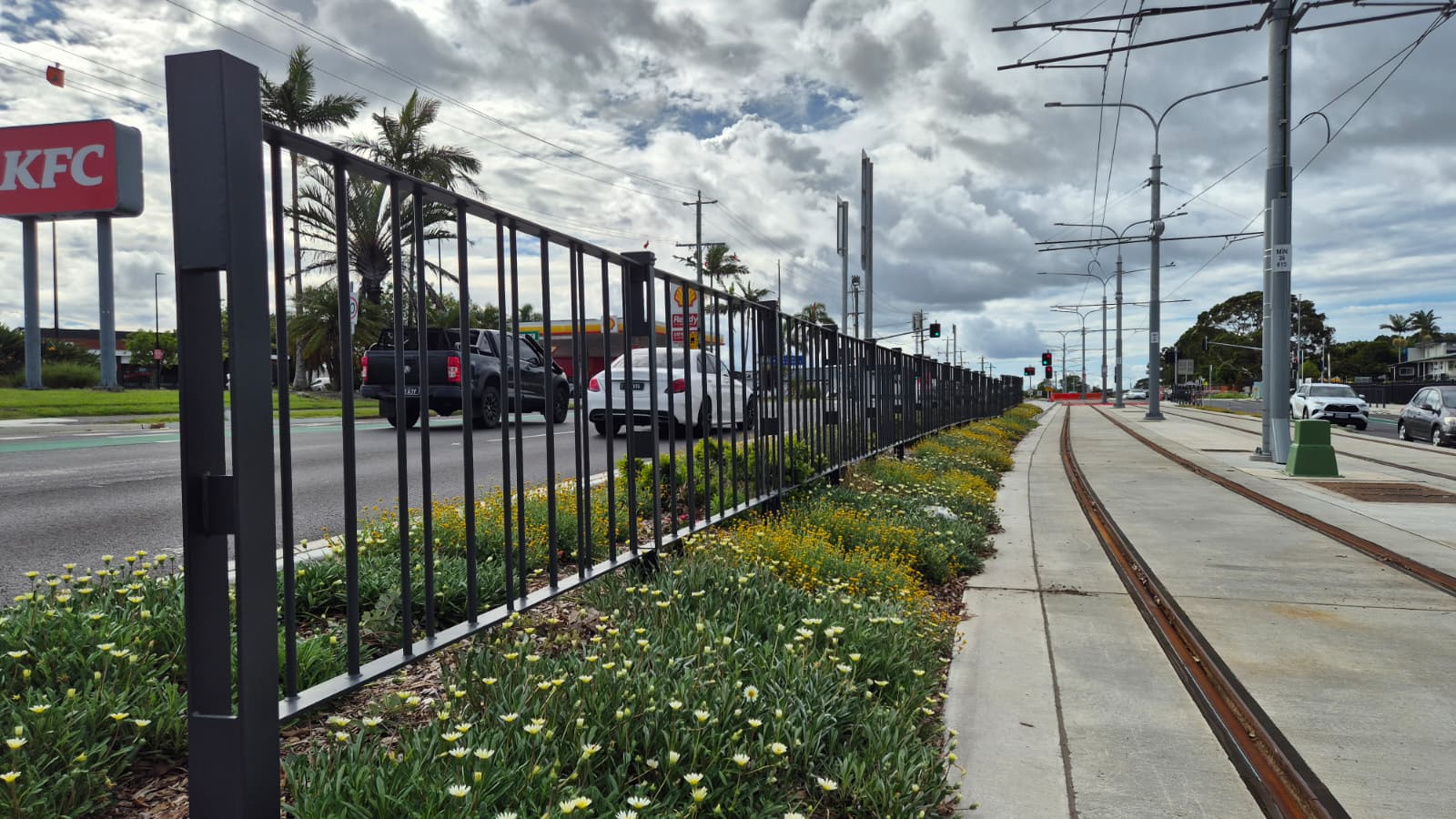
Street-Guard® by Guard-R Group
Guard-R Group’s Street-Guard® pedestrian fencing system has been developed specifically for Australian road and transport environments.
Designed for strength, durability, and long-term performance, Street-Guard® is widely suited to infrastructure projects requiring reliable pedestrian management and compliant roadside protection.
Street-Guard® systems are commonly used across:
- Urban road corridors
- School precincts
- Public transport infrastructure
- Shared pathways
- Bridges and overpasses
- Rail interfaces
- Local government projects
- Major road upgrades
The system is engineered to provide strong visual guidance while maintaining durability in demanding roadside environments.
Supporting Safer Communities
Pedestrian fencing is about more than compliance — it directly contributes to safer communities.
For councils, engineers, and transport planners, investing in effective pedestrian control infrastructure helps reduce risk, improve pedestrian behaviour, and support safer interaction between vehicles and vulnerable road users.
As Australia continues investing heavily into transport infrastructure and urban road upgrades, pedestrian fencing will remain one of the most important safety tools available to road designers.
With Street-Guard®, Guard-R Group continues to support safer road networks through practical, compliant, and performance-focused pedestrian fencing solutions designed for modern infrastructure environments.
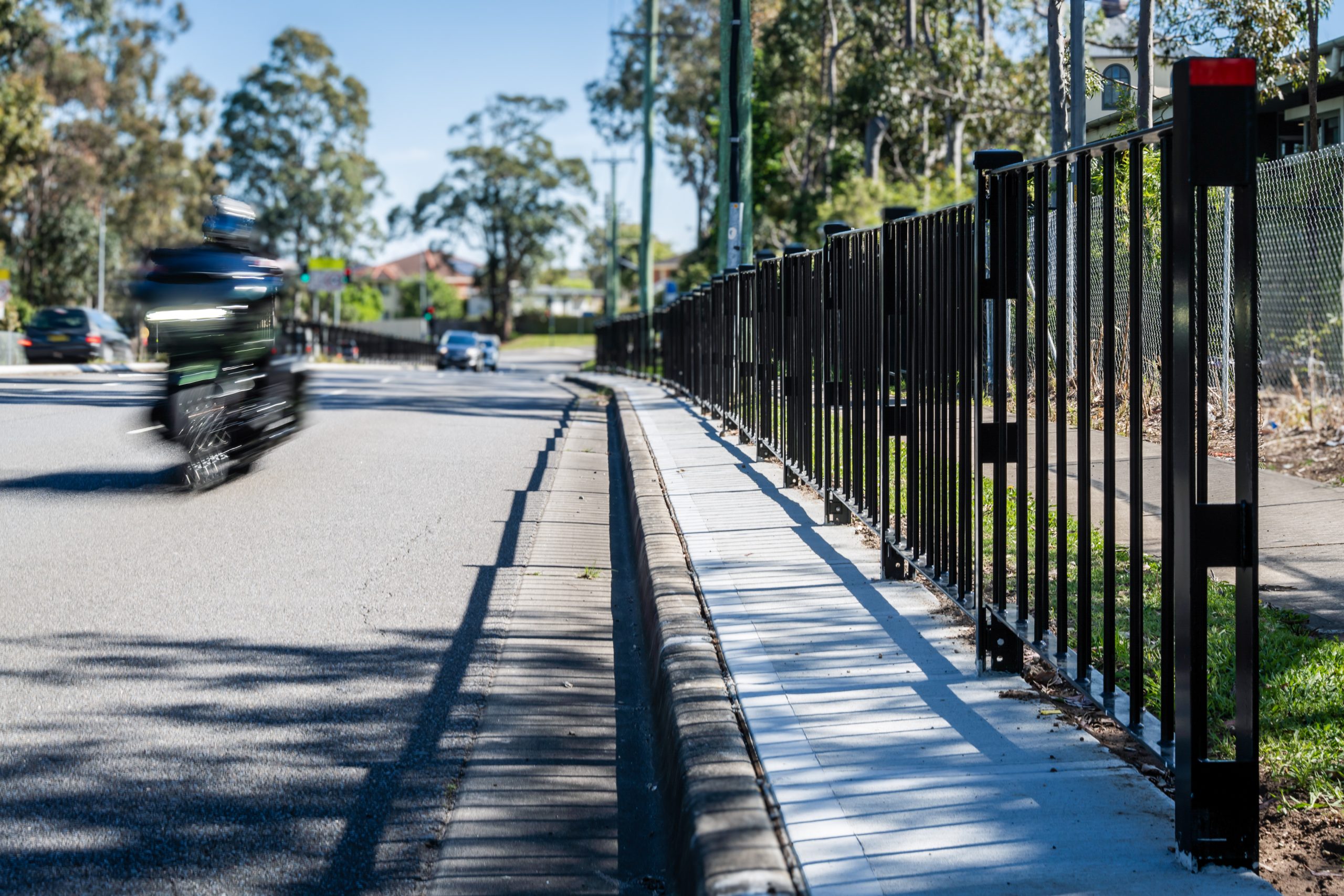
Supporting Austroads Safe System Principles
Pedestrian fencing plays a critical role in modern road safety design by helping separate vulnerable road users from live traffic environments. Across Australia, Austroads Safe System principles emphasise reducing the likelihood and severity of crashes through safer road infrastructure and improved road user behaviour. Pedestrian fencing is widely incorporated into Safer Roads programs and urban road upgrades because it helps guide pedestrians toward designated crossing points, reduce unsafe crossing movements, and improve driver predictability in high-risk areas such as school zones, intersections, transport hubs, and busy urban corridors.
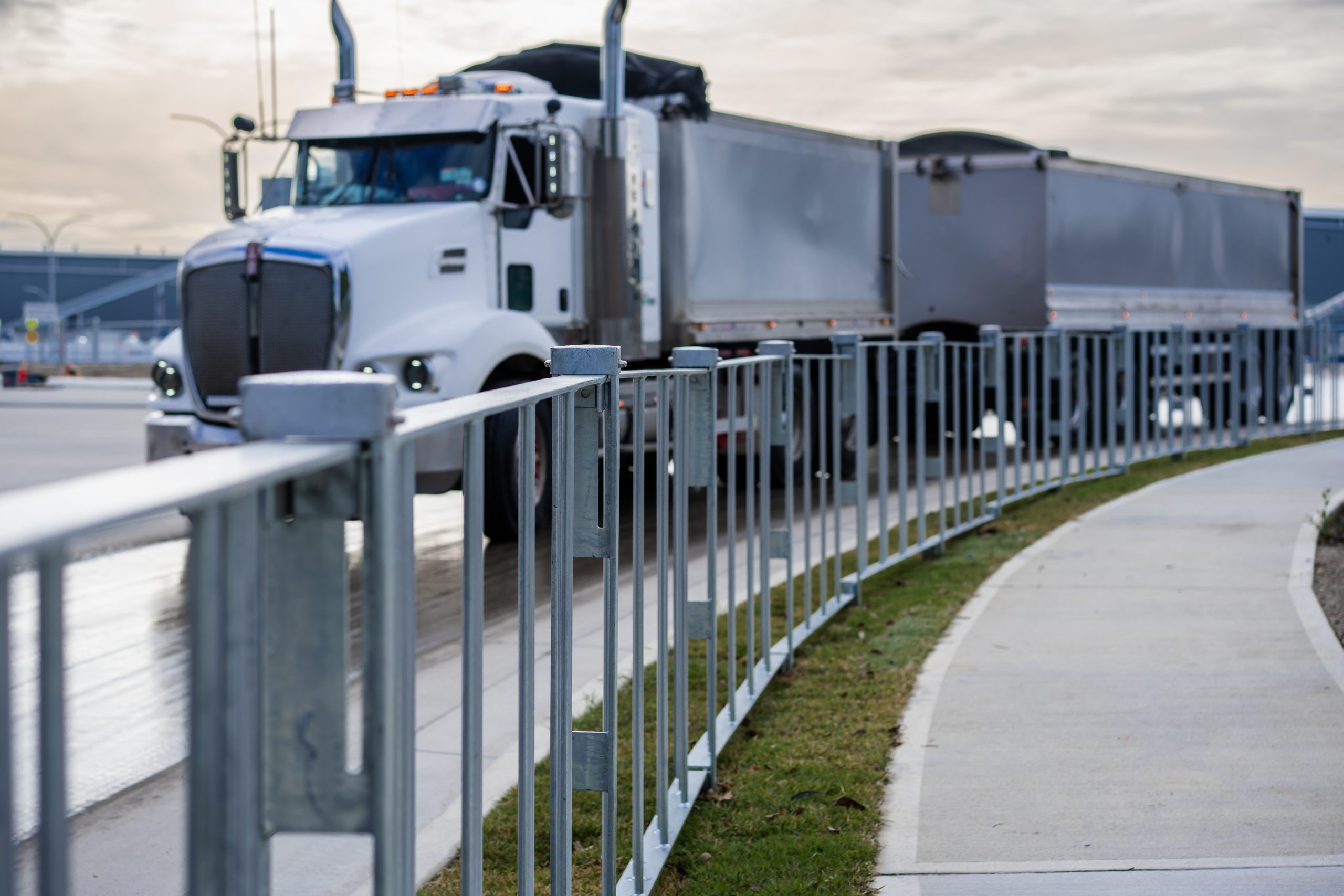
Build Safer, More Reliable Carparks – On Time & On Spec
Explore car carpark solutions on our website or book a no-obligation consultation to discuss how Guard-R can help you design safer, compliant carpark environments that stand the test of time.