When specifying vehicle barriers for warehouses, distribution centres or multi-storey car parks, it’s easy to assume that all W-beam guardrails are designed to the same standard.
They’re not.
One of the most common misconceptions we encounter is that a VicRoads SD3671-E Type D guard fence is equivalent to a barrier engineered to AS/NZS 1170.1 Clause 3.8.
While they may look similar, they serve different purposes and reference different standards.
What is VicRoads SD3671-E Type D?
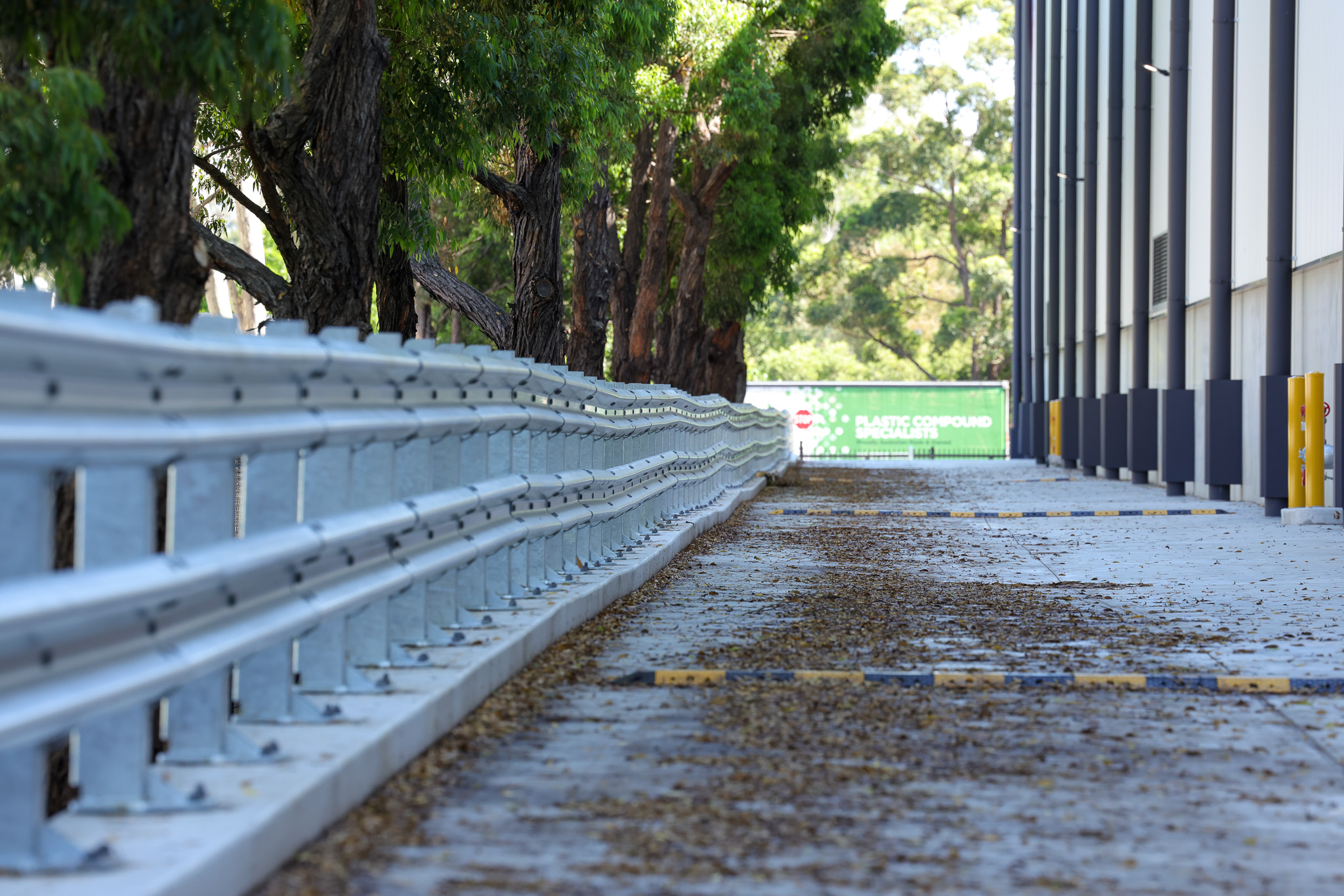
VicRoads SD3671-E Type D is a standard drawing published by VicRoads (now the Victorian Department of Transport and Planning).
It provides construction details for a W-beam guard fence, including:
- Rail profile
- Steel post configuration
- Post spacing
- Mounting height
- Connection details
- Installation arrangement
The drawing defines how the barrier is assembled, not the structural performance it must achieve.
What is AS/NZS 1170.1 Clause 3.8?
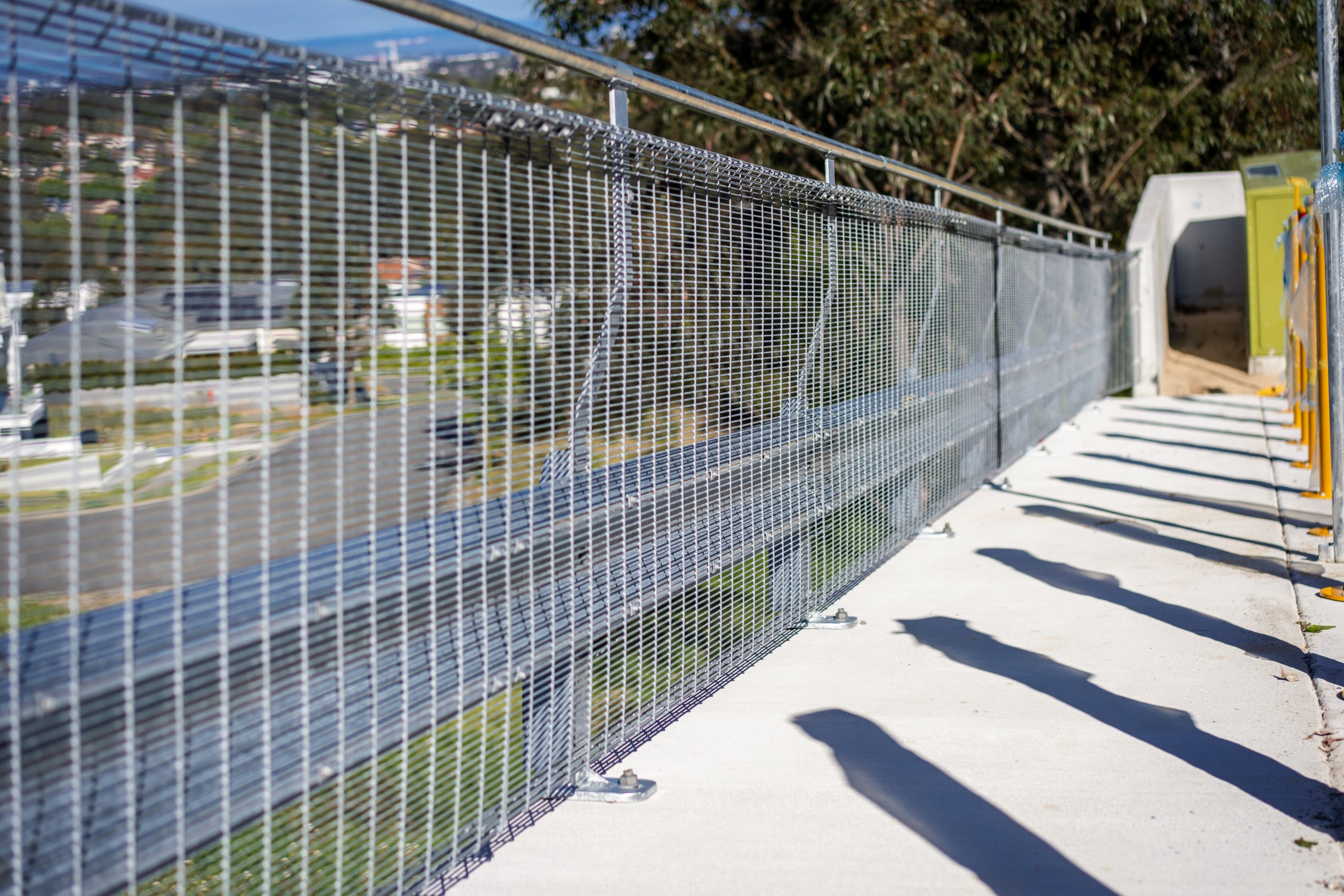
AS/NZS 1170.1 is Australia’s structural loading standard.
Clause 3.8 specifically sets out the vehicle impact loads that barriers within buildings and structures must be designed to resist.
This standard is commonly referenced for:
- Multi-storey car parks
- Commercial car parks
- Warehouses
- Distribution centres
- Industrial facilities
Unlike a standard drawing, AS/NZS 1170.1 defines the performance requirements of the barrier rather than simply its physical arrangement.
Standard Drawing vs Structural Design Standard
| VicRoads SD3671-E Type D | AS/NZS 1170.1 Clause 3.8 |
|---|---|
| Standard drawing | Structural design standard |
| Defines barrier layout | Defines vehicle impact loads |
| Specifies rail, posts and installation details | Specifies structural performance requirements |
| Describes how the barrier is constructed | Defines what loads the barrier must resist |
| Does not, by itself, demonstrate compliance with building vehicle barrier loads | Barrier is engineered to satisfy nominated design loads |
Why This Matters
It’s important to understand that manufacturing a barrier to the SD3671-E drawing does not automatically demonstrate compliance with AS/NZS 1170.1.
The two documents serve different purposes.
A standard drawing tells you:
What the barrier should look like.
A structural design standard tells you:
What the barrier must withstand.
For projects requiring compliance with AS/NZS 1170.1, engineers typically require supporting documentation such as:
- Structural engineering calculations
- Engineering certification
- Evidence that the barrier has been designed for the specified vehicle impact loads
Simply referencing a standard drawing is generally not sufficient to demonstrate structural compliance.
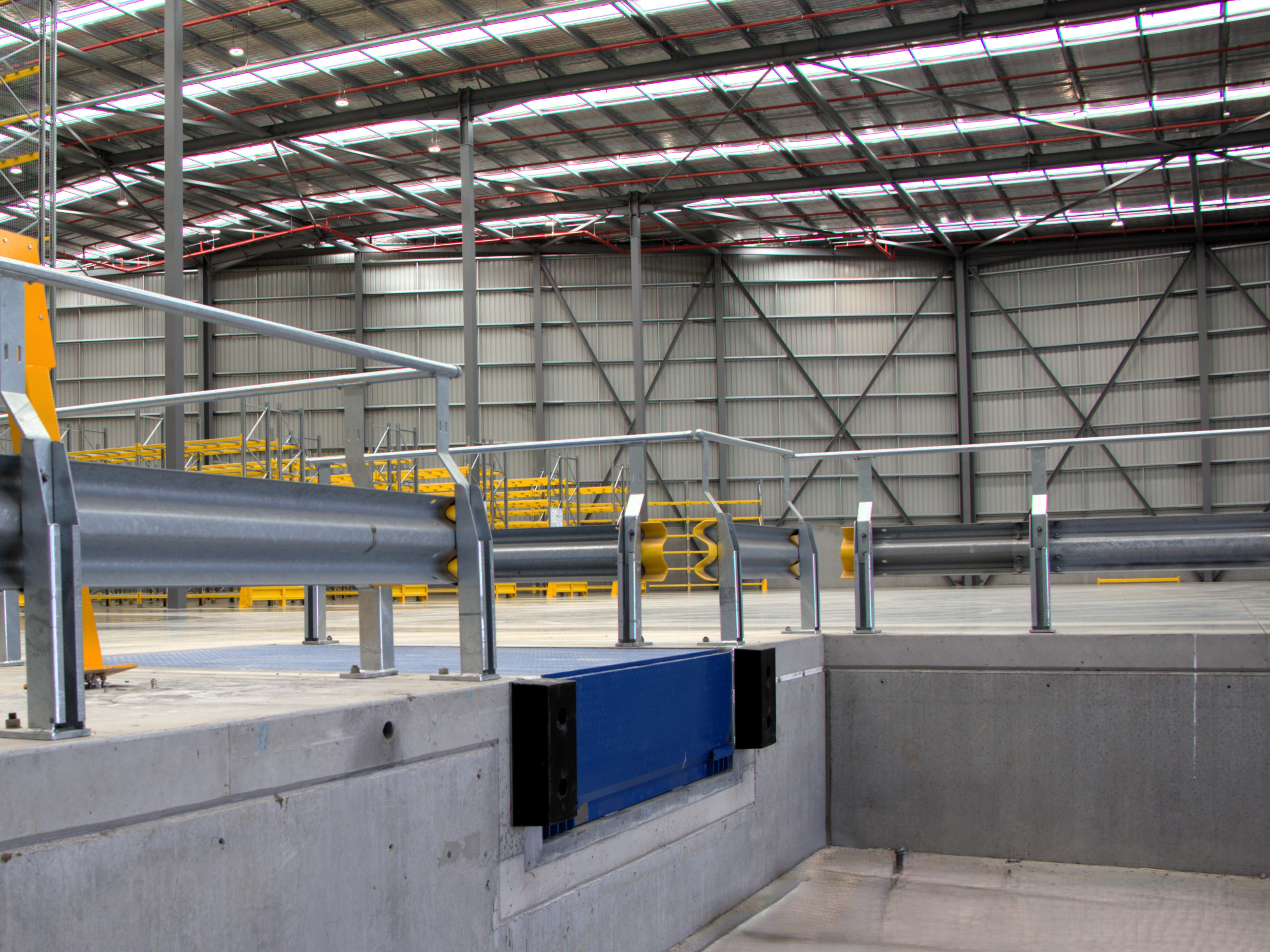
Questions Every Specifier Should Ask
Before approving or specifying a vehicle barrier, consider asking:
- What structural standard has this barrier been engineered to comply with?
- Is there engineering certification available?
- What vehicle impact loads has the barrier been designed for?
- Is the barrier suitable for this specific application?
These questions help ensure the selected system is appropriate for the project rather than relying solely on product appearance or terminology.
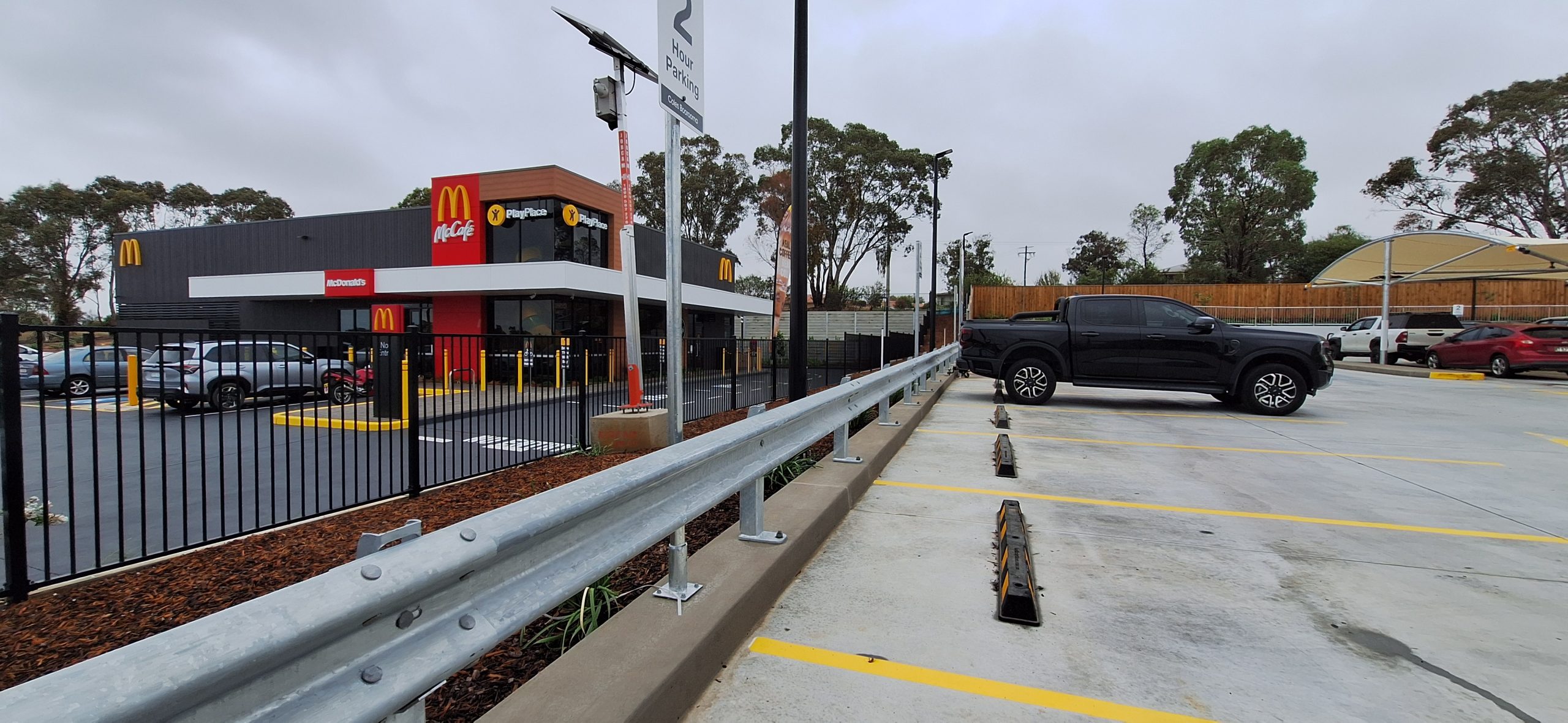
Guard-R Group's Approach
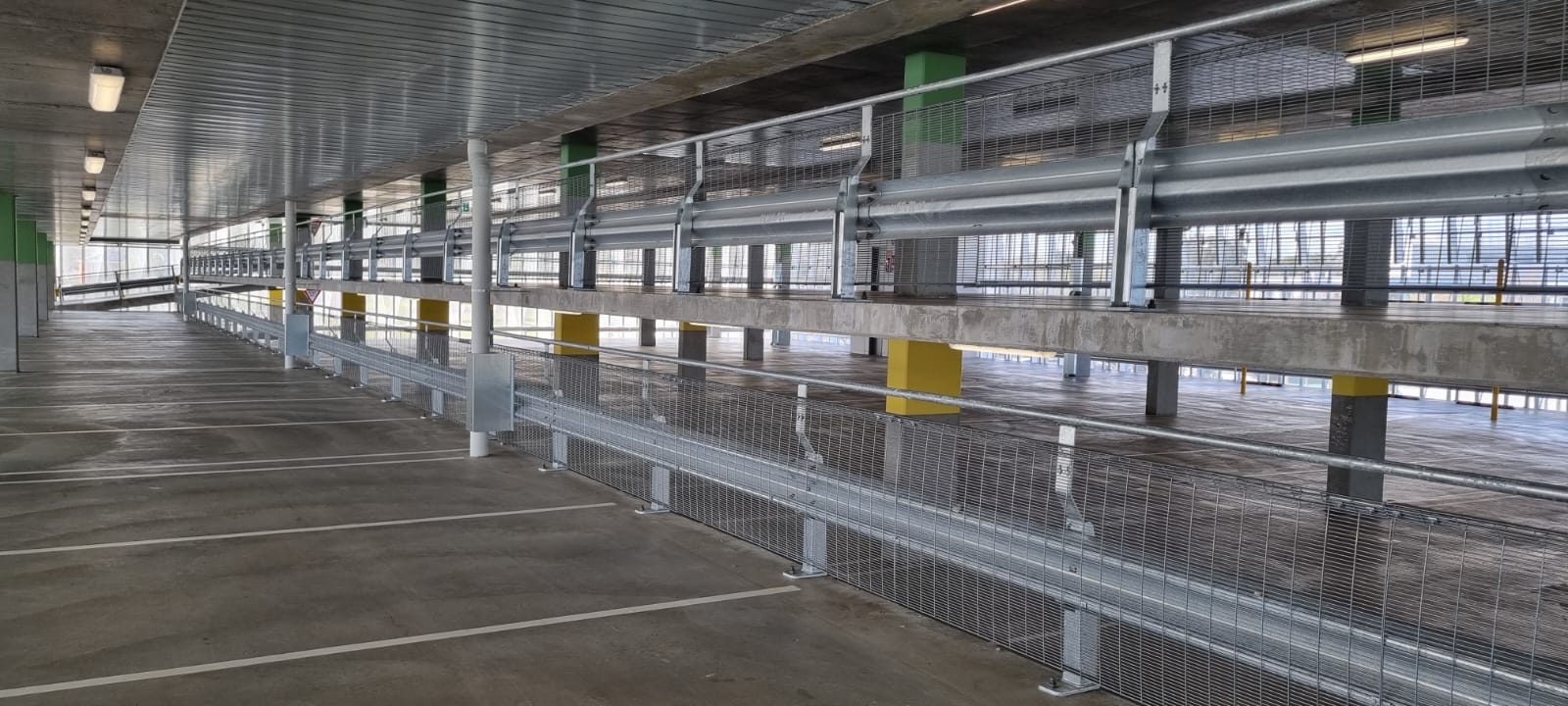
At Guard-R, our Kwik-Guard® vehicle barrier systems are engineered for building applications where compliance with structural vehicle impact loading requirements is required.
Rather than simply referencing a standard drawing, our systems are supported by engineering documentation to demonstrate compliance with the nominated project requirements.
Whether you’re designing a multi-storey car park, warehouse or industrial facility, our team can assist with selecting a barrier system appropriate for your project’s structural performance requirements.
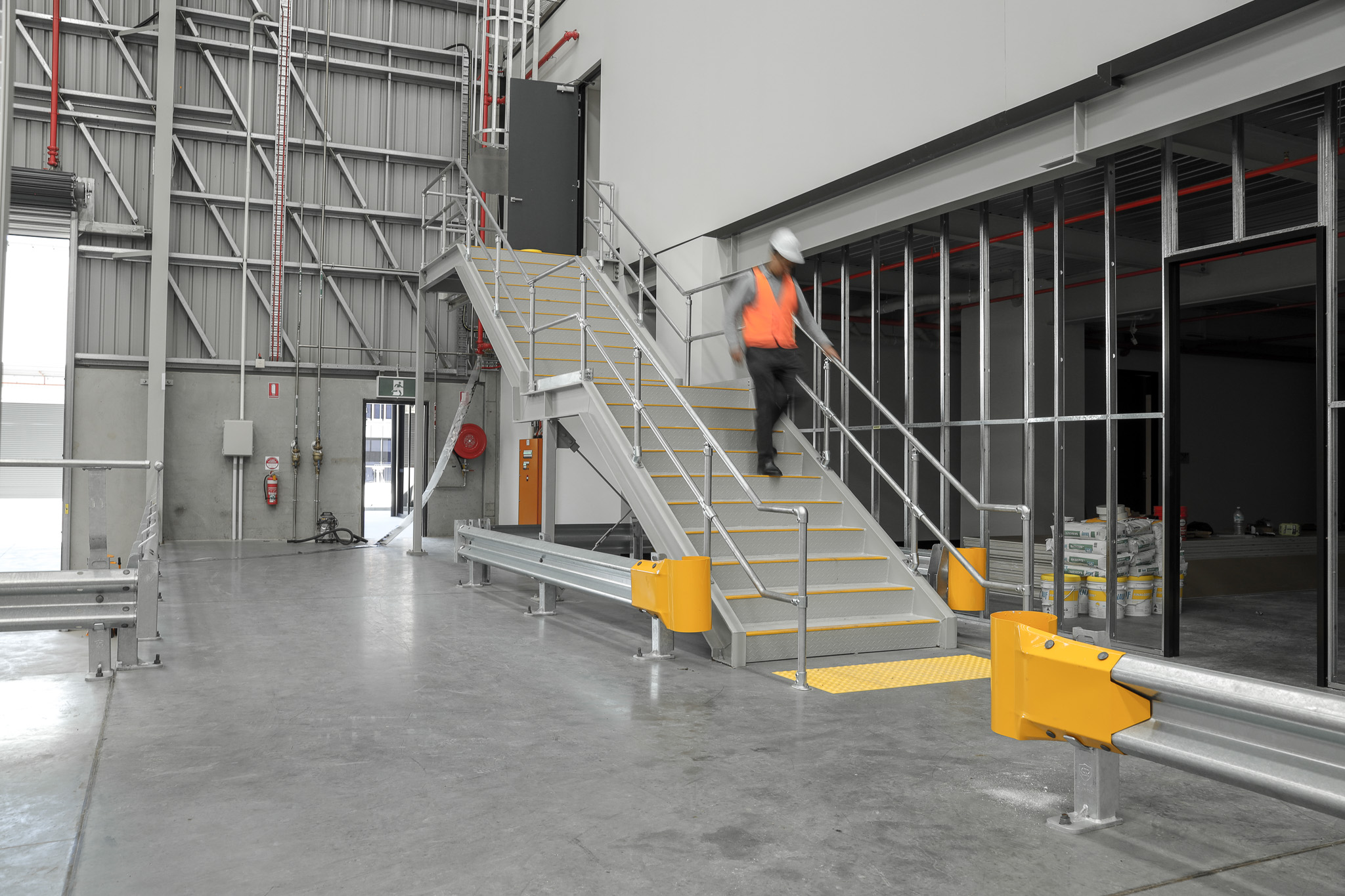
Need Specification Assistance?
If you’re unsure whether a vehicle barrier is suitable for your project, our technical team can help review your requirements and provide engineering documentation where required.